


Right side stomach pain? Start with gentle natural approaches, but be informed.
Most discomfort on the right side - whether it's a dull ache, cramps, or bloating - can often be soothed with simple herbs, dietary tweaks, and lifestyle changes.
However, being aware of your body's signals is key to holistic health.
This natural health guide will help you:
• Apply safe, effective home remedies for common digestive and muscular issues
• Understand different types of pain (upper vs. lower right, sharp vs. dull)
• Recognize when symptoms suggest that professional medical advice could be beneficial
Let's explore natural solutions first ↓
When Natural Approaches Are Often Helpful
Many cases of right-side discomfort stem from everyday digestive processes or minor muscular issues that respond well to natural care.
Common Issues Suitable for Home Care:
- Gas and Bloating (Right-side "cramps")
A trapped gas bubble in the colon can cause surprising sharp pain. It usually moves or eases after passing gas. - Digestive cramps after eating
Rich, fatty, or new foods can temporarily overwhelm digestion, causing cramping on the right side where the colon bends. - Mild constipation and "fullness"
The ascending colon on the right side can become tender when sluggish. - Muscle strain or tension
From coughing, exercise, or poor posture, the abdominal wall muscles can feel sore.
For the concerns above, the natural remedies listed in this article are a great first step.
Being Informed: Signs to Pay Close Attention To
Responsible self-care includes knowing when a symptom pattern might suggest it's wise to seek a professional opinion.
Symptom Patterns That Merit Further Evaluation
- Intense, unrelenting pain that doesn't improve with rest, natural antispasmodics (like peppermint), or changes in position.
- Fever or chills accompanying the abdominal pain.
- Persistent nausea or vomiting that prevents you from staying hydrated.
- Skin or eyes taking on a yellowish tint (jaundice), which relates to liver/gallbladder function.
- Sudden, severe pain that migrates from the belly button to the lower right side.
If you experience these patterns, pausing natural home care to consult with a healthcare provider is a prudent choice.
Right Side Pain: Organs and Natural Approaches
Pain on the right side of your abdomen can originate from different organs, each requiring a specific natural support strategy.
Knowing which structure might be involved helps you choose the most effective remedies.
Upper right abdomen: Liver and Gallbladder zone
Just under your right ribs lie two key digestive organs.
Liver pain often feels like a dull, persistent ache or fullness. It can be related to fatty liver, hepatitis, or overburden from toxins/alcohol.
Gallbladder pain is typically sharper, occurring especially after a fatty meal, as gallstones block bile flow.
Natural support focus: Gentle liver-cleansing foods (beets, leafy greens), herbs like milk thistle and dandelion root to promote bile production and liver regeneration. Reducing saturated fats is crucial.
Middle to lower right abdomen: Digestive tract
This area houses the ascending colon (where waste travels upward) and the cecum (the pouch where the small intestine meets the large one).
Pain here is often digestive: trapped gas causing sharp, moving cramps; constipation creating a tender, full sensation; or IBS-related spasms.
Natural support focus: Carminative herbs like peppermint and fennel to relax intestinal muscles and expel gas.
Soluble fiber for regularity, and probiotics to balance the gut microbiome.
Lower right abdomen: The appendix and more
The infamous appendix sits here.
Appendicitis pain often starts around the navel before migrating to the lower right, becoming constant and severe, usually with fever.
This always requires immediate medical evaluation.
For women, this area also contains the right ovary and fallopian tube.
Pain can signal ovarian cysts (dull ache or sharp twinges) or mittelschmerz (mid-cycle ovulation pain).
Natural support focus (for non-emergencies): For cyclical ovarian discomfort, herbs like vitex (chasteberry) for hormonal balance and anti-inflammatories like ginger.
Warm compresses can ease muscular and cramping pain.
Kidney and referred pain
Your right kidney is located in the back, but pain from a kidney stone or infection can radiate to the right flank, side, and groin.
This pain is often described as deep, colicky (coming in intense waves), and may be accompanied by nausea or urinary changes.
Natural support focus (Preventive and supportive): Staying impeccably hydrated is paramount.
Certain herbs like chanca piedra ("stone breaker") are traditionally used in herbalism for kidney stone support.
Reducing intake of oxalate-rich foods (like spinach, nuts, beets) may be helpful if you are prone to calcium-oxalate stones.
Remember: While this guide helps you understand potential sources, listening to your body's severity and pattern is key.
The natural remedies in the next section are intended for common, mild-to-moderate functional discomfort, not for acute surgical emergencies.

Targeted Natural Remedies for Right Side Discomfort
Choose remedies based on the nature of your discomfort.
Start with one approach and observe your body's response.
For gas, bloating and digestive cramps
Trapped gas in the colon is a frequent culprit for sharp, intermittent right-side pain.
The ascending colon's natural bend can trap air bubbles.
- Peppermint tea or Enteric-coated oil: Its active compound, menthol, is a powerful antispasmodic that relaxes intestinal smooth muscle. Sip warm tea 20 minutes after meals.
- Fennel or anise seeds: Chew a teaspoon slowly after eating. These carminative seeds help break down gas bubbles and prevent formation.
- A warm Castor oil pack or hot water bottle: Applied to the abdomen for 20 minutes, heat increases blood flow and relaxes cramped digestive muscles. This is especially soothing for IBS-related cramps.
- Gentle "gas-relief" Yoga poses: Knees-to-chest or a gentle supine twist can help mobilize trapped gas.
For inflammation and general soreness
Generalized achiness or pain linked to inflammatory foods responds well to these anti-inflammatory agents.
- Turmeric (Curcumin) with black pepper: Curcumin is a potent systemic anti-inflammatory. Combine with a pinch of black pepper (piperine) to boost absorption by 2000%.
Add to food or take as a supplement. - Fresh ginger tea: Excellent for nausea and inflammatory pain.
Grate a 1-inch knob into hot water, steep for 10 minutes.
Gingerols inhibit inflammatory pathways. - Chamomile tea: Calms the nervous system (which governs the "gut-brain axis") and soothes an irritated digestive tract, reducing spasms. Drink in the evening.
For liver and gallbladder supportive care
Note: For suspected gallstones or severe pain, consult a professional.
For general support after rich meals:
- Dandelion root tea: A classic bitter herb. The bitterness stimulates bile production and flow from the liver, aiding fat digestion.
Drink before meals. - Milk Thistle (Silymarin): The premier hepatoprotective herb. It supports liver cell regeneration and protects against toxins.
Consider a standardized extract. - Dietary pause: Temporarily reduce heavy, fried fats and increase beets, artichokes, bitter greens (arugula, dandelion), and lemon water - all gentle liver supporters.
For muscular tension and strain
Pain that worsens with movement, twisting, or coughing may be musculoskeletal.
- Diluted essential oil massage: Mix 2-3 drops of lavender (muscle relaxant) or marjoram (analgesic) in a tablespoon of carrier oil (like coconut). Gently massage the sore area.
- Epsom Salt (Magnesium Sulfate) bath: Magnesium absorbed through the skin helps relax tight muscles.
Use 1-2 cups in a warm bath for 20 minutes. - Rest and postural awareness: Avoid sit-ups or heavy lifting. Check if slouching at your desk is straining oblique muscles.
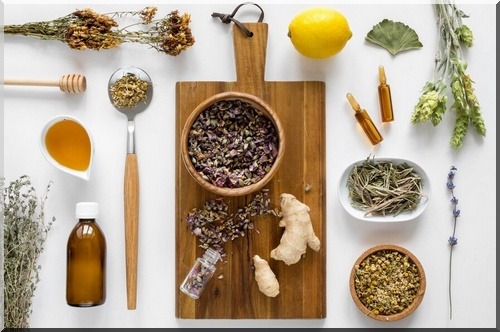
Natural Supplements for Targeted Support
While herbs and foods are excellent first steps, specific supplements can provide more concentrated support.
Always start with the lowest dose to assess tolerance, and consider consulting a herbalist or naturopath for personalized advice, especially if you have existing health conditions or take medications.
Chamomile (Matricaria recutita)
Best for: Stress-related digestive cramps, nervous stomach, mild gastritis.
How to use:
• Tea: Steep 2-3 tsp dried flowers in 250ml hot water for 10 mins, covered. Drink 3-4 cups daily.
• Supplement (Tincture/extract): Typical dose is 1-2 ml of a 1:5 tincture, 3 times daily.
Look for standardized extracts for consistent potency.
Key Point: Chamomile's calming effect works on both the mind and the gut via the gut-brain axis.
Licorice Root (Glycyrrhiza glabra) and DGL
Best for: Soothing inflamed mucous membranes (esophagus, stomach, intestines).
DGL (Deglycyrrhizinated Licorice) is preferred for long-term use as it lacks the compound (glycyrrhizin) that can affect blood pressure.
How to use:
• DGL Chewable Tablets: Chew 1-2 tablets (typically 400-500mg each) 20 minutes before meals or at the first sign of discomfort.
This allows it to mix with saliva and coat the upper GI tract.
• Standardized root extract: For short-term use (2-4 weeks), follow product label, usually around 200-400mg.
Key Point: DGL is particularly researched for supporting the healing of peptic ulcers and soothing heartburn.
Marshmallow Root (Althaea officinalis) and Slippery Elm (Ulmus rubra)
Best for: Creating a protective, soothing mucilaginous coating over irritated tissues.
Ideal for burning pain, gastritis, or after stomach upset.
How to use:
• Cold infusion tea: For marshmallow root, use 1-2 tsp in 250ml cold water, steep overnight. Heat gently if desired.
This preserves the mucilage.
You also can take marshmallow root supplement (aff)
• Slippery Elm powder: Mix 1 tsp powder into cool water or non-dairy milk to form a paste, then add warm liquid. Drink 1-3 times daily between meals.
• Capsules: Take with a full glass of water (aff).
Key Point: Take these away from other medications or supplements (at least 1 hour apart) as the coating effect can slow absorption.
Artichoke Leaf Extract (Cynara scolymus)
Best for: Supporting bile flow and fat digestion, reducing bloating and fullness after meals (especially fatty ones).
How to use:
• Supplement: Look for extracts standardized to caffeoylquinic acids (aff).
A common dose is 300-600mg, taken just before your largest meal of the day.
Key Point: This is more of a digestive aid and liver/gallbladder supporter than a direct pain reliever.
It helps prevent discomfort by improving digestion.
Probiotics
Best for: Long-term gut health, addressing pain linked to bloating, IBS, or antibiotic use.
How to choose and use:
• Strain matters: For general abdominal comfort, look for multi-strain blends containing Lactobacillus and Bifidobacterium species.
• Dosage (CFU): Start with a moderate dose (e.g., 10-20 billion CFU) with a meal.
Increase or decrease based on response.
• Consistency: Take daily for at least 4-8 weeks to assess impact. Effects are cumulative.
Key Point: Probiotics work gradually to change the gut environment.
They are not an acute pain reliever but a foundational strategy.
Digestive Enzymes
Best for: Immediate relief from bloating, gas, and pain that starts 30 minutes to 2 hours after eating, suggesting incomplete digestion.
How to use:
• Broad-spectrum formula: Choose one containing proteases (proteins), lipases (fats), and amylases (carbs).
• Timing is everything: Take at the beginning of your meal, or with the first few bites.
• Dosage: Follow label instructions. Start with one capsule per meal.
Use as needed, not necessarily at every meal.
Key Point: Enzymes are a tool for specific meals that you know are challenging (rich, large, or problematic foods).
They are not meant for perpetual use unless advised by a professional.
A Balanced, Natural Approach to Abdominal Well-being
Listening to your body is the first step in natural health.
Most right side abdominal discomfort can be managed effectively with the herbal remedies, dietary mindfulness, and lifestyle habits outlined here. From soothing ginger tea for cramps to milk thistle for liver support, nature offers a gentle toolkit.
Remember this holistic perspective:
• Start simple with dietary tweaks and common herbs before complex supplements.
• Observe patterns – does the pain relate to meals, stress, or your cycle?
• Know that seeking professional advice when symptoms are persistent or severe is a wise part of self-care, not a failure of natural methods.
By combining informed awareness with proven natural solutions, you can address discomfort confidently and support your long-term digestive and overall health.
Your questions about right stomach pain
What's on the right side of my stomach?
The right side of your stomach is home to several important organs, including the liver, gallbladder, and part of the large intestine (colon). Any discomfort or pain in this area could be related to these organs.
When does stomach pain become serious?
Stomach pain can become serious if it is severe, persistent, or accompanied by other symptoms such as fever, vomiting, or difficulty breathing. If you experience intense or worsening pain, seek medical attention immediately.
What kinds of stomach pain should I pay attention to?
You should pay attention to stomach pain that is severe, sharp, or localized to one area, especially if it persists or worsens over time. Additionally, any stomach pain accompanied by fever, vomiting, blood in the stool, or difficulty swallowing should be evaluated by a healthcare professional.
How can I tell if my stomach ache is from gas?
Gas-related stomach pain often feels like a dull ache or cramp and may be accompanied by bloating or a sensation of fullness. The pain may come and go and is usually relieved by passing gas. If you suspect your stomach ache is due to gas, try walking or gently massaging your abdomen to help release trapped gas. If the pain persists or worsens, consult a healthcare provider for further evaluation.