

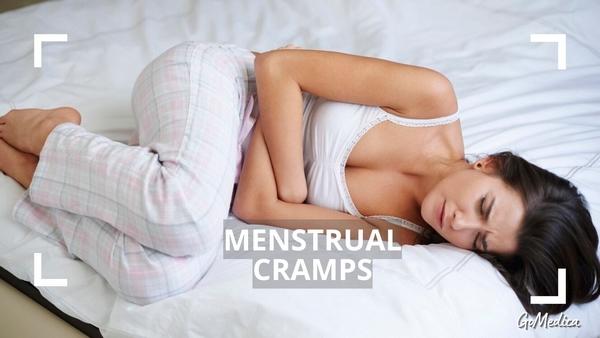
You're reading these lines because you're looking for real relief from period pain.
And you've probably already tried quite a few things.
So did I... for 8 years.
I got my first period at 13. And from age 15, every month became an ordeal.
Lower belly pain, locked back, nausea, fatigue... I tried everything.
Over several cycles, I tested 12 natural remedies one by one. I rated each pain on a scale of 1 to 10.
I changed dosages, timing, and combinations.
Today, I'm sharing my journal with you.
Here's what truly disappointed me - and what changed my life.
Why Some Natural Remedies for Period Pain Don't Work
First, one important thing to understand: a natural remedy isn't effective in absolute terms.
Its effectiveness depends on dosage, timing, product quality, and your unique physiology.
A cup of chamomile tea taken at the wrong time won't do anything. Ginger prepared incorrectly won't either.
That's why I wanted to test and document exactly what works and what doesn't.
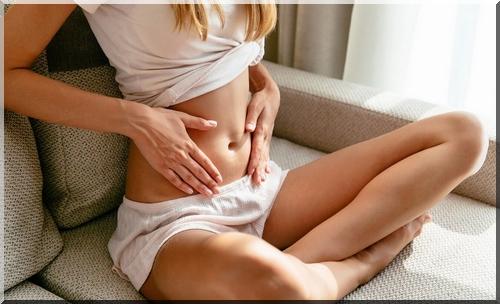
The 3 Natural Remedies That Disappointed Me (and Why They're Not Enough)
I'm not saying these remedies never work.
But here's why, for me and for hundreds of women who've written to me, they were insufficient.
1. Chamomile tea alone - A beautiful promise, but insufficient for severe menstrual pain
I love chamomile, its taste, its comforting side.
But does chamomile really relieve period cramps?
Honestly? No. Not when the pain is there.
Why? Because a simple infusion contains very few active compounds.
The flavonoids and antioxidants in chamomile (especially apigenin) have a relaxing and anti-inflammatory effect, but their concentration in a standard cup of tea (1 bag or 1 teaspoon of dried flowers) is far too low to calm severe cramping triggered by a prostaglandin spike.
To give you an idea: one clinical study that proved chamomile's effectiveness against cramps used 200 to 300mg of standardized concentrated extract per day.
A homemade infusion contains about 20 to 40mg of active compounds depending on flower quality and steeping time.
5 to 10 times less...
What I do today: I keep chamomile for its calming benefits in the evening, before bed.
It helps me manage stress and anxiety related to my period.
But for severe cramping, I turn to something else or combine chamomile with other, more effective natural remedies.
2. Ginger prepared incorrectly - A great anti-inflammatory often misused
Ginger is scientifically recognized for its anti-inflammatory and pain-relieving properties.
Its active compounds, gingerols and shogaols, inhibit the production of prostaglandins, the hormones responsible for painful uterine contractions.
But how to use ginger for period pain?
Most women get it wrong, and I made the same mistakes:
- Just one cup at the time of pain → too late, inflammation is already established
- Ginger powder that's been sitting in the cupboard for months → gingerols oxidize and lose effectiveness
- A 2-minute steep → gingerols don't have time to infuse into the water
- Boiling water → excessive heat degrades some of the active molecules
The truth is, ginger works very well... if taken preventively (2 days before your period) and in sufficient doses (at least 250 mg of gingerols per serving).
I'll give you the exact preparation method for effective ginger in the "Solutions" section.
3. Acupressure - Effective but rarely done correctly
"Press on point SP6." I've read this recommendation dozens of times.
But which acupressure points for period cramps exactly?
And how long should you press?
What they don't tell you is that a light 30-second press does nothing.
Acupressure works by stimulating nerves.
By applying sustained pressure to specific points, you activate nerve pathways that inhibit pain transmission (via the endogenous opioid system) and release endorphins, your body's natural painkillers.
But there are conditions:
- Pressure must be firm (almost painful, but bearable)
- Minimum duration is 2 minutes per point (not 30 seconds)
- You must breathe deeply during the exercise (this enhances the pain-relieving effect)
- You need to repeat several times a day, at the first sign of pain
I'll explain everything - the right points, the right pressure, and the right timing - in the "Solutions" section.
The 5 Remedies That Help a Little... But Aren't Enough Alone
I'll list these remedies quickly, because they have real benefits, but if you only use these, you risk being disappointed.
The idea is to combine them with the truly effective solutions that follow.
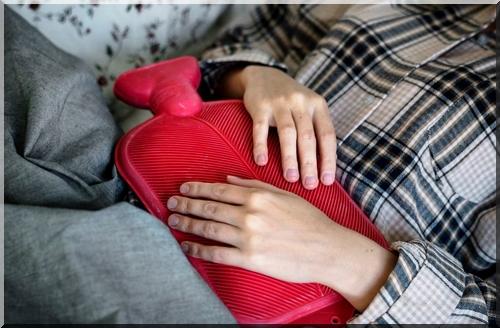
Hot water bottle or heating pad: Provides relief at the moment (15-20 minutes), but pain often returns as soon as you remove the heat source.
Still an excellent supplement.
Magnesium alone: Very useful if you're deficient (common among women with painful periods).
But if your magnesium levels are normal, the effect is modest.
It becomes powerful when combined with other nutrients (see solution 1).
Avoiding caffeine during your period: Caffeine is a vasoconstrictor, it narrows blood vessels and can worsen cramps.
Avoiding coffee, black tea, and energy drinks for a few days before and during your period reduces pain by about 20% according to studies.It's helpful, but not magical.
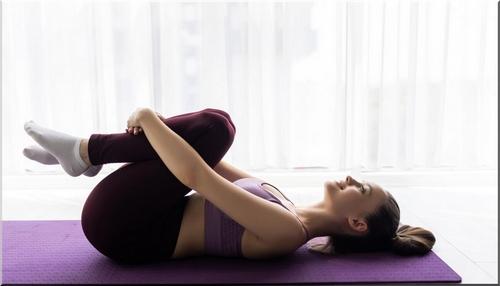
Gentle yoga: Certain poses (child's pose, butterfly pose, knees to chest) help release tension in the lower belly and back.
But be aware: yoga won't stop an acute cramping episode.
It's excellent for prevention and as a complement.
Drinking plenty of water: Essential to avoid bloating (which worsens pain perception) and to help muscles function properly.
But water alone has no direct pain-relieving effect.
My advice: don't neglect these 5 remedies. Use them in combination.
But don't rely solely on them if you're truly suffering every month.
The 4 Natural Solutions That Changed My Life
Here's what truly worked for me.
Precise action plans, tested over several cycles, with exact dosages and timing.
Solution 1: Magnesium + Omega-3 + Vitamin B1 Combo
This is THE combination that had the most dramatic impact on my period pain.
It cut my pain in half by the first cycle.
Why this combo is so effective:
Magnesium: It blocks NMDA receptors involved in pain transmission and acts as a natural muscle relaxant.
It also helps regulate nerve function.
Numerous studies show that magnesium supplementation significantly reduces the intensity and duration of menstrual cramps.
Omega-3 (EPA/DHA): They are precursors to anti-inflammatory mediators (resolvins and protectins) that "turn off" inflammation caused by prostaglandins.
A 2021 meta-analysis concluded that omega-3s reduce menstrual pain comparably to ibuprofen, but without the digestive side effects.
Vitamin B1 (thiamine): It plays a key role in nerve transmission and energy production in muscle cells.
A Tunisian study showed that vitamin B1 supplementation (100mg/day) reduced pain in 87% of women after 2 cycles.
How to take Magnesium for period cramps
- Type of magnesium: Magnesium Bisglycinate - better absorbed and less laxative than oxide or citrate (aff)
- Dosage: 300mg per day, preferably in the evening (magnesium also promotes sleep)
- Timing: start 5 days before your expected period (D-5) and continue until the 2nd day of your period (D+2)
Omega-3 for menstrual pain
- Type: Fish oil concentrated in EPA and DHA - at least 500mg of each per capsule (aff)
- Dosage: 1500 mg per day (EPA + DHA combined)
- Timing: Ideally all year round, but if you have to choose, focus on the second half of your cycle (from ovulation to your period)
- Tip: Take your omega-3s in the middle of a meal containing fats (avocado, olive oil, eggs) to improve absorption
Vitamin B1 for painful periods
- Dosage: 100mg per day (do not exceed this dose without medical advice)
- Timing: start 3 days before your period (D-3) and continue until the end of your period
- Combination: B1 is more effective when taken with magnesium; they work in synergy
⚠️ Caution: If you're already taking medication (especially blood thinners), consult your doctor before starting high-dose omega-3 supplementation.
Solution 2: Ginger (Finally, the right method)
Ginger saved me during acute episodes.
But only after I stopped preparing it incorrectly.
Why Ginger is so effective against menstrual cramps
Gingerols (the active compound in fresh ginger) inhibit cyclooxygenase (COX), a key enzyme in prostaglandin production.
This is exactly the same mechanism as ibuprofen, but in natural form and without stomach risk.
Natural recipe for uterine cramps with fresh Ginger
- Buy fresh ginger (not powder). Store it in the refrigerator in a paper bag.
- Cut 5 thin slices (about 0.8in. long, 0.07in. thick) - about 10g of fresh ginger.
- Heat 250ml of water until simmering (not boiling water - boiling degrades gingerols).
- Pour water over the ginger slices and let steep covered for 10 minutes (not 2 minutes, not 5 minutes, exactly 10 minutes).
- Strain and drink (you can add a squeeze of lemon and a touch of honey).
The right timing for Ginger for period pain
- Start 2 days before your period (D-2). This is essential: ginger is more effective as a preventive than a cure.
- Drink 3 cups per day during the 2 days before your period.
- During your period: 2 cups per day (morning and evening).
- If pain is already present, drink one cup immediately and another 2 hours later.
Alternative for very severe cramps (or when you don't have time to make tea)
Ginger powder capsules are an excellent alternative (aff).
Freeze-drying preserves gingerols better than conventional dehydration.
Dosage: 250mg, 4 times a day, at the first sign of symptoms.
Solution 3: Acupressure (The right gesture, right place, right time)
Acupressure is an ancient technique from traditional Chinese medicine.
It's based on the idea that the body is traversed by meridians (energy channels) and that stimulating certain points restores energy flow, called "Qi", and relieves pain.
From a modern scientific perspective, we now know that acupressure activates nerve pathways that inhibit pain and releases endorphins.
But for it to work, you must do it correctly.
Which acupressure points for period cramps?
Point SP6 (Spleen 6) - The most important for gynecological pain
Where to find it? On the inside of the leg, about 4 finger widths above the medial malleolus (the big bone bump on the inside of the ankle).
The point is located just behind the tibia, in a small hollow.
Why this point? The spleen meridian (which passes through this point) has branches to the uterus.
In Chinese medicine, SP6 is the master point for gynecological conditions.
How to press? Use the pad of your thumb. Apply firm, progressive pressure until you feel slight tenderness (almost painful, but bearable).
For how long? 2 minutes exactly (use your phone's timer).
Don't stop before.
Movement: Press, hold the pressure, then make slow circular movements (about 1 rotation per second).
When to do it? At the first sensation of pain, repeat morning and evening as long as pain persists.
For optimal prevention, start 2 days before your period (D-2).

Point LV3 (Liver 3) - For pelvic pain and stress
Where to find it? On the top of the foot, in the hollow between the big toe and second toe, about 0.8in behind the junction of the two toes.
Run your finger along the space between the two toes; you'll feel a small hollow.
Why this point? The liver meridian passes through the genitals and lower belly.
LV3 is also known for its calming effect on the nervous system.
It reduces stress, which often worsens pain perception.
How to press? Same technique as SP6: firm pressure, circular, 2 minutes.

Point ST36 (Stomach 36) - For energy and associated fatigue
Where to find it? Just below the kneecap, on the outside of the leg.
A simple trick: place 4 fingers below the bottom edge of the kneecap, then move one finger outward.
You'll feel a small muscle that contracts when you move your foot - that's it.
Why this point? ST36 is a "tonifying" point in Chinese medicine.
It boosts overall energy and fights fatigue, which is often very present during your period.
How to press? Same technique: 2 minutes, firm pressure.

How fast do you feel relief?
For most women, pain decreases significantly within 5 to 15 minutes after acupressure.
The effect typically lasts 1 to 3 hours.
Feel free to repeat the exercise several times a day if needed.
Solution 4: Active heat therapy (Far more effective than a hot water bottle alone)
Everyone knows the hot water bottle.
But how to use heat optimally for period pain relief?
Heat increases local blood circulation, bringing more oxygen to uterine muscles and helping flush out inflammatory metabolites.
Additionally, heat activates skin thermoreceptors, which "override" pain receptors in the central nervous system (this is the "gate control" principle).
What I used to do: I'd put a hot water bottle on my belly and wait.
The pain would decrease a little, but come back as soon as I removed the heat.
The active method I use today (3 times more effective)
- Get comfortable, preferably lying on your back.
- Place a hot water bottle or heating pad on your lower belly (just above the pubic bone).
Set the temperature to gentle warmth, not hot.
Excessive heat can irritate the skin and cause the opposite effect (vasoconstriction). - For exactly 15 minutes (no more - beyond that, the pain-relieving effect plateaus).
- Add deep abdominal breathing:
- Inhale slowly through your nose while voluntarily expanding your belly (like a balloon).
- Exhale slowly through your mouth while drawing your belly in (navel toward your spine).
- Repeat this breathing cycle throughout the heat application (about 15 breath cycles).
- Add gentle circular massage:
- With the three middle fingers (index, middle, ring) together.
- Make slow circular movements around your navel, clockwise.
- Then gradually move down toward your lower belly, still in slow circles.
Why this method is more effective:
Heat alone passively relaxes muscles.
By adding breathing and massage, you activate the parasympathetic nervous system (the relaxation system), deeply release muscle tension, and stimulate lymphatic drainage, which helps eliminate inflammatory mediators.
Alternative: Warm bath
If you have a bathtub, a warm bath for 15-20 minutes (no warmer than 38°C / 100°F) also works wonders.
The enveloping heat acts on the whole body and promotes overall relaxation.
Add a few drops of lavender essential oil to enhance the calming effect.
Summary table of the 4 solutions that really work
| Solution | When to Start? | Exact Dosage / Duration |
|---|---|---|
| Mag + Omega-3 + B1 Combo | D-5 (5 days before period) | • Magnesium bisglycinate: 300mg (evening) • Omega-3 EPA/DHA: 1500mg • Vitamin B1: 100mg |
| Ginger (right method) | D-2 (2 days before period) | 5 slices fresh ginger 10-minute steep 3 cups per day |
| Exact Acupressure | At first sign of pain | Point SP6 + point LV3 2 minutes per point Firm pressure (almost painful) |
| Active Heat Therapy | At first sign of pain | Hot water bottle 15 minutes + abdominal breathing + gentle circular massage |
In the middle of a crisis? Here's immediate action:
✅ 1. Hot water bottle + abdominal breathing (15 min)
✅ 2. Acupressure SP6 (2 min, firm pressure)
✅ 3. Peppermint essential oil: inhale for 1 min
Essential Oils for Period Pain: A Fast, Natural Solution
Essential oils are my allies for sudden crises when I don't have time to make tea or do acupressure.
Their power? They work through skin application (massage) or inhalation in just 5 to 10 minutes.
But be careful: never apply essential oils undiluted to the skin (unless specified).
Always dilute in a vegetable oil - sweet almond, coconut, or jojoba.
Here are the 4 that have proven themselves on my cramps.
Lavender: The anti-stress that relaxes the uterus
Lavender essential oil (Lavandula angustifolia) is the gentlest and safest.
It calms the nervous system, relaxes uterine muscles, and reduces pain perception.
How to use: dilute 2-3 drops in a small amount of vegetable oil (coconut or sweet almond) and massage your lower belly in slow, clockwise movements.
Peppermint: The "Ice that puts out the Fire"
Peppermint essential oil contains menthol, a compound that provides an intense cooling sensation and calms muscle spasms almost immediately.
It's also very effective against nausea that often accompanies severe cramps.
How to use: inhale directly from the bottle for 1-2 minutes (without touching the skin) or put 1 drop on a tissue to breathe.
For massage, use 1 drop in 10ml of vegetable oil only - it's very potent.
Clary Sage: Hormonal balance
Clary sage (Salvia sclarea) is known to regulate hormonal imbalances and reduce spasms.
It works more deeply than lavender and is especially suitable for irregular cycles or stress-related cramps.
How to use: 2-3 drops diluted in vegetable oil massaged into the lower belly and lower back.
Best used in the evening, as it can promote intense dreams.
Marjoram: Powerful antispasmodic
Less known but formidably effective, Sweet Marjoram (Origanum majorana) is an antispasmodic and sedative essential oil very useful when cramps are accompanied by nervous tension and insomnia.
How to use: 2 drops in vegetable oil, massage on the lower belly.
Do not use for prolonged inhalation.
⚠️ Important precautions: Essential oils are contraindicated during the first trimester of pregnancy and for women with epilepsy.
For internal use or for children, always seek advice from a qualified aromatherapist.
What I Would Do Today If I Had to Start Over
For 8 years, I suffered every month.
I spent money on overpriced "special period" teas, miracle supplements with no proof, and lost entire days in bed crying in pain.
The truth is that natural remedies work, but rarely alone.
You need a combination of precise actions, at the right time.
A single remedy taken randomly won't work miracles.
But a complete action plan, applied rigorously, can transform your cycles.
If you remember only one thing from this article
- Start with the magnesium + omega-3 + vitamin B1 combo from D-5.
This is the foundation, the most effective, and it acts on the root cause (inflammation and muscle spasms). - Add properly prepared ginger from D-2. It's your ally for acute episodes.
- Keep acupressure (2 minutes per point) and active heat therapy (15 min + breathing) for when pain sets in.
Test this action plan for 2 full cycles.
Take care of yourself. And most importantly, don't give up.
Your Questions About Natural Remedies and Period Pain
What's the best natural anti-inflammatory for period pain?
The ginger + omega-3 combo is the closest you can get to a medicinal anti-inflammatory (like ibuprofen) but in natural form.
Ginger acts quickly on acute episodes (within 30-60 minutes).
Omega-3s act more slowly but deeply on chronic inflammation.
Together, they cover both short and long term.
How many days before your period should you take magnesium?
5 days before your expected period. Why D-5? Because prostaglandins start rising in the days leading up to your period.
Magnesium needs some time to act on muscle and nerve receptors.
Starting too late (the day of your period) gives a much less effective result.
Can stress really make menstrual cramps worse?
Yes, significantly.
Chronic stress increases cortisol production, a hormone that promotes general inflammation in the body.
Additionally, stress activates the sympathetic nervous system, which can increase muscle tension, including in the uterus.
Conversely, relaxation techniques like heart coherence, meditation, or yoga activate the parasympathetic system ("rest and digest"), which relaxes muscles and reduces pain perception.
Personally, I found my cramps were twice as intense during months when I was very stressed (exams, moving, conflicts).
Can probiotics help with period cramps?
Yes, more and more studies suggest there's a gut-uterus axis.
An imbalanced gut microbiome can promote systemic inflammation, which worsens pain.
Certain probiotic strains (notably Lactobacillus rhamnosus and Bifidobacterium longum) have shown reduced menstrual pain in small studies.
When should you see a doctor for period pain?
The natural remedies I share here are for primary dysmenorrhea (painful cramps without an underlying organic cause).
See a doctor if:
- Your cramps resist all these remedies after 2-3 cycles of rigorous application.
- You have very heavy bleeding (changing protection every hour).
- Pain starts several days before your period or lasts more than 3-4 days.
- You have pain during intercourse, severe nausea, or associated digestive problems.
How many cycles to see results with supplements?
For the magnesium + omega-3 + B1 combo, I noticed clear improvement by the first cycle (pain cut in half).
But for optimal results (70-80% pain reduction), it generally takes 2 to 3 cycles.
Don't be discouraged if the first cycle doesn't change everything. Your body needs time to correct any deficiencies.
Can I take all these natural remedies at the same time?
Yes, absolutely. Magnesium, omega-3s, vitamin B1, ginger, acupressure, and heat therapy are perfectly compatible and even work synergistically.
One precaution: don't take omega-3s and ginger on an empty stomach if you have a sensitive stomach. Take them in the middle of a meal.
Is acupuncture more effective than acupressure?
Acupuncture (with needles) is generally more powerful because the stimulation is deeper and more precise.
But acupressure has the immense advantage of being free, available anytime, and without an appointment.
I recommend acupressure as a "first-line tool" to use at home.
If you have very severe cramps and can see a qualified acupuncturist, it's definitely worth it.
Last updated June 2026