

Struggling with rough, bumpy "chicken skin"?
These natural remedies for keratosis pilaris (KP) can smooth your skin fast - without harsh chemicals.
KP is harmless but frustrating.
Simple home treatments can reduce bumps, redness, and dryness.
Here’s what works:
✅ Gentle exfoliation – Removes keratin buildup safely
✅ Deep hydration – Locks in moisture to soften bumps
✅ Anti-inflammatory ingredients – Soothes redness & irritation
✅ Diet and lifestyle tweaks – Supports skin health from within
Below are the 10 best natural remedies for KP - backed by science and easy to try today!
What is Keratosis Pilaris (chicken skin)?
Keratosis Pilaris (KP), often referred to as "chicken skin" is a common, harmless skin condition that causes small, rough bumps to appear on the skin.
These bumps are caused by a buildup of keratin, a protein that protects the skin from infections and harmful substances.
When excess keratin clogs hair follicles, it creates the characteristic bumpy texture.
KP most commonly affects the upper arms, thighs, buttocks, and cheeks, though it can appear elsewhere on the body.
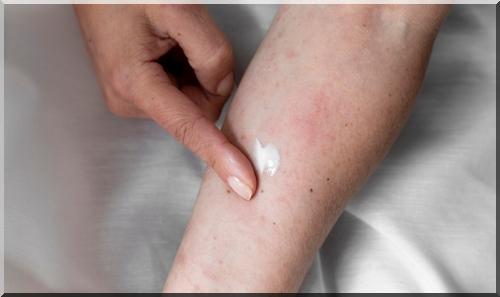
What are the symptoms of Keratosis Pilaris?
The primary symptoms of KP include:
- Small, rough bumps that feel like sandpaper.
- Redness or inflammation around the bumps.
- Dry, itchy skin in affected areas.
- Bumps that may worsen in dry weather or during seasonal changes.
While KP is not painful or dangerous, many people seek treatment to improve the appearance and texture of their skin.
Fortunately, there are numerous Keratosis Pilaris natural remedies and chicken skin treatment options that can help manage symptoms effectively.
How can gentle exfoliation help with Keratosis Pilaris?
Exfoliation is one of the most effective ways to remove keratin buildup and smooth the skin.
However, it’s important to avoid harsh scrubs that can irritate KP.
- DIY Body Scrubs for Keratosis Pilaris Treatment:
- Sugar + Coconut Oil: Sugar gently exfoliates, while coconut oil moisturizes and soothes.
- Oatmeal + Honey: Oatmeal reduces inflammation, and honey hydrates the skin.
- Dry Brushing: Use a natural-bristle brush to gently exfoliate before showering.
Always brush toward the heart with light pressure.
Tip: Limit exfoliation to 2-3 times weekly to avoid irritation.
Look for the best natural products to unclog pores in Keratosis Pilaris, such as those containing gentle acids like lactic or glycolic acid.
Is dry brushing effective for treating Keratosis Pilaris naturally?
Yes, but it’s important to be gentle and avoid over-exfoliating, which can worsen the condition.
Can Aloe Vera gel soothe Keratosis Pilaris bumps?
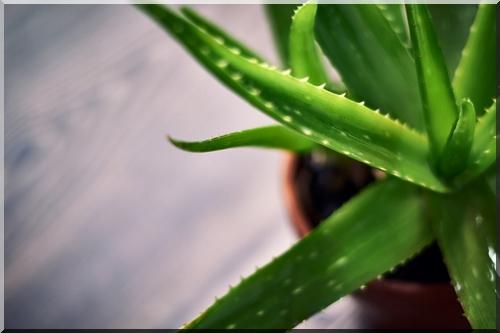
Aloe Vera gel is one of the most effective natural remedies for Keratosis Pilaris.
Known for its soothing and healing properties, aloe vera can help calm the redness and irritation often associated with KP.
Its natural anti-inflammatory compounds reduce swelling and discomfort, while its moisturizing abilities help soften the rough, bumpy texture caused by keratin buildup.
To use aloe vera gel for soothing Keratosis Pilaris bumps, simply apply pure aloe vera gel directly to the affected areas after showering or bathing (aff).
Let it absorb fully into the skin for maximum hydration and relief.
For best results, use it consistently as part of your daily skincare routine.
Not only is aloe vera gentle and non-irritating, but it’s also packed with vitamins and antioxidants that promote overall skin health.
If you’re looking for a natural, easy-to-use remedy to soothe KP, aloe vera gel is the right choice!
Do oatmeal baths reduce redness in Keratosis Pilaris?
Oatmeal baths for reducing redness in Keratosis Pilaris are excellent for soothing irritated skin.
Colloidal oatmeal creates a milky bath that coats and protects the skin.
- Add 1 cup of colloidal oatmeal to a lukewarm bath and soak for 15-20 minutes (aff).
- Pat your skin dry gently and apply moisturizer immediately.
What are the best moisturizers for Keratosis Pilaris?
Keeping your skin hydrated is one of the most important steps in managing Keratosis Pilaris.
The best moisturizers for Keratosis Pilaris are those that are rich, emollient, and contain ingredients like urea, lactic acid, or ceramides.
These components help soften keratin buildup, exfoliate gently, and restore the skin’s natural barrier.
Here are some top-rated moisturizers that can help smooth and soothe KP-prone skin:
- CeraVe SA Cream for Rough & Bumpy Skin
This dermatologist-recommended cream is a game-changer for KP (aff).
It contains salicylic acid to exfoliate and unclog pores, lactic acid to gently smooth rough skin, and ceramides to restore the skin’s natural barrier.
It’s fragrance-free and non-irritating, making it perfect for sensitive skin.
Plus, its rich, creamy texture provides long-lasting hydration without feeling greasy.
- Key benefits: Exfoliates, hydrates, and repairs the skin barrier.
- Best for: Sensitive skin and those looking for a multi-action moisturizer.
- AmLactin Daily Moisturizing Body Lotion
AmLactin is a cult favorite for treating KP, thanks to its 12% lactic acid formula (aff).
This gentle alpha-hydroxy acid (AHA) exfoliates dead skin cells, smooths rough patches, and improves skin texture over time.
Clinically proven to boost hydration, this lotion is lightweight, fast-absorbing, and perfect for daily use.
- Key benefits: Smooths rough skin, improves texture, and deeply hydrates.
- Best for: Those looking for a gentle exfoliating lotion.
- Eucerin Advanced Repair Cream
Eucerin Advanced Repair Cream is a powerhouse for dry, bumpy skin (aff).
Enriched with ceramides and natural moisturizing factors, it works to repair and protect the skin barrier while locking in moisture.
Its non-greasy, fast-absorbing formula makes it ideal for daily use, and it’s especially effective when applied right after a shower.
- Key benefits: Repairs the skin barrier, locks in moisture, and soothes dryness.
- Best for: Dry, sensitive skin needing intense hydration.
How does Turmeric and Coconut oil paste help with chicken skin?
A turmeric and coconut oil paste for chicken skin is a natural, DIY remedy that can work wonders for Keratosis Pilaris.
Here’s why it’s effective and how to use it:
Why it works
- Turmeric: Packed with anti-inflammatory and antioxidant properties, turmeric reduces redness and soothes irritated skin.
- Coconut oil: A natural moisturizer, it softens keratin buildup and hydrates dry, bumpy skin.
How to use it
- Mix 1 teaspoon of turmeric powder with 2 tablespoons of coconut oil to create a paste.
- Apply to affected areas, massage gently, and leave on for 15-20 minutes.
- Rinse thoroughly (turmeric can stain) and follow up with a gentle cleanser if needed.
Benefits for KP
- Reduces inflammation and redness.
- Softens keratin plugs to smooth bumps.
- Deeply hydrates and nourishes the skin.
Use this paste 2-3 times a week for best results.
It’s affordable, natural, and gentle—perfect for smoother, healthier skin!
Can Neem oil be used as an overnight remedy for chicken skin?
Looking for a natural way to tackle Keratosis Pilaris while you sleep? Neem oil might be your answer.
Known for its antibacterial, anti-inflammatory, and moisturizing properties, neem oil can work wonders on bumpy, irritated skin.
Here’s how to make the most of it:
Why Neem oil works for KP
- Antibacterial power: Helps prevent infections in clogged hair follicles.
- Reduces inflammation: Calms redness and soothes irritated skin.
- Deep hydration: Softens keratin buildup, leaving skin smoother.
How to use Neem oil overnight
- Apply: Before bed, spread a thin layer of neem oil over the affected areas.
- Cover up: Wear loose clothing to protect your bedding from stains.
- Rinse off: In the morning, wash off the oil with warm water.
What you’ll love about it
- Soothes redness and irritation overnight.
- Softens rough, bumpy skin with consistent use.
- Prevents further clogging of pores.
For best results, use neem oil 2-3 times a week.
How to use Apple Cider vinegar to treat chicken skin?
Apple cider vinegar (ACV) is a popular home remedy for Keratosis Pilaris due to its ability to balance skin pH and gently exfoliate.
Here’s a straightforward guide to using ACV to improve your skin:
What makes ACV effective?
- pH balancing: ACV helps restore the skin’s natural acidity, reducing irritation and redness.
- Exfoliation: Its mild acidity helps remove dead skin cells and unclog pores, smoothing rough patches.
Steps to use ACV for KP
- Dilute the ACV: Mix equal parts ACV and water. For sensitive skin, use a weaker solution (1 part ACV to 2 parts water).
- Apply to skin: Use a cotton pad to apply the mixture to the affected areas.
- Rinse off: Leave it on for 10-15 minutes, then rinse with water.
Important tips
- Always dilute ACV to avoid skin irritation.
- Test on a small area first to ensure your skin tolerates it.
- If irritation occurs, stop using it immediately.
How often to use it
For best results, apply the ACV solution 2-3 times a week.
Over time, you’ll notice smoother, less irritated skin.
What are the benefits of Tea Tree oil for Keratosis Pilaris?
Tea tree oil is a versatile essential oil that can be a game-changer for managing Keratosis Pilaris.
Its natural properties make it a great choice for soothing and smoothing bumpy skin.
Here’s a quick guide to using tea tree oil effectively:
Why Tea Tree oil works
- Bacteria fighter: Prevents infections in clogged pores.
- Inflammation reducer: Calms redness and irritation.
- Pore unclogger: Gently exfoliates to smooth rough, bumpy skin.
How to use Tea Tree oil for KP
- Dilute: Mix 2-3 drops of tea tree oil with 1 tablespoon of a carrier oil (like coconut or jojoba oil).
- Apply: Massage the mixture gently onto the affected areas.
- Leave on: Keep it on for 15-20 minutes, then rinse off. For deeper treatment, leave it overnight.
Pro tips
- Use 2-3 times a week for consistent results.
- Always dilute tea tree oil to avoid irritation.
- Stop using it if you notice any sensitivity.
Can an anti-inflammatory diet improve Keratosis Pilaris?
An anti-inflammatory diet for smoother skin can play a significant role in managing Keratosis Pilaris.
While KP is primarily a skin condition, inflammation in the body can exacerbate symptoms like redness and irritation.
By focusing on foods that reduce inflammation, you can support healthier skin from the inside out.
How an anti-inflammatory diet helps
- Reduces inflammation: Certain foods help calm systemic inflammation, which can lessen redness and irritation associated with KP.
- Supports skin health: Nutrient-rich foods promote skin repair and hydration, improving overall texture.
- Balances hormones: A healthy diet can help regulate hormones, which may influence skin conditions like KP.
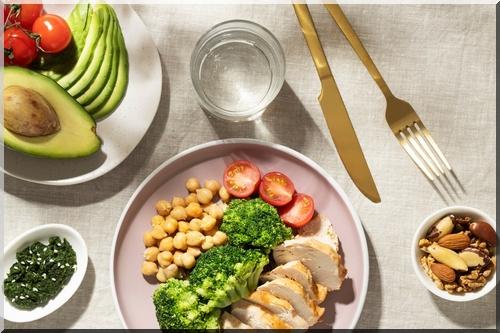
Best anti-inflammatory foods for KP
- Omega-3 Fatty Acids: Found in fatty fish (like salmon and mackerel), flaxseeds, chia seeds, and walnuts.
These healthy fats help reduce inflammation and support skin hydration. - Antioxidant-rich fruits and vegetables: Berries, leafy greens, carrots, and sweet potatoes are packed with vitamins and antioxidants that protect and repair the skin.
- Healthy fats: Avocados, olive oil, and nuts provide essential fatty acids that keep skin soft and supple.
- Whole grains: Brown rice, quinoa, and oats are rich in fiber and nutrients that support overall skin health.
Foods to avoid
- Processed foods: High in sugar and unhealthy fats, these can increase inflammation.
- Sugary drinks: Sodas and sweetened beverages can spike blood sugar levels, worsening inflammation.
- Dairy (for some): Some people find that reducing dairy intake helps improve KP symptoms, as it may trigger inflammation in certain individuals.
Why is hydration important for managing Keratosis Pilaris?
Hydration is a key factor in managing Keratosis Pilaris.
Since KP is often linked to dry skin, keeping your skin hydrated—both internally and externally—can make a big difference in reducing bumps and improving texture.
The connection between hydration and KP
When your skin is well-hydrated, it’s less likely to produce excess keratin, which is the main culprit behind KP bumps.
Hydration also helps reduce redness and irritation, making your skin look and feel smoother.
Tips for staying hydrated
- Drink plenty of water: Aim for at least 8 glasses of water a day to keep your skin hydrated from the inside out.
- Use a humidifier: If you live in a dry climate, a humidifier can add moisture to the air and prevent skin from drying out (aff).
- Moisturize regularly: Apply a thick, emollient moisturizer immediately after showering to lock in hydration.
- Avoid hot showers: Hot water can strip the skin of its natural oils, leading to dryness. Opt for lukewarm water instead.
Say goodbye to bumpy skin: Natural remedies for Keratosis Pilaris
By incorporating these natural remedies for Keratosis Pilaris into your routine, you can effectively manage KP and achieve smoother, healthier skin.
Whether you’re using aloe vera gel for soothing Keratosis Pilaris bumps, trying a turmeric and coconut oil paste for chicken skin, or exploring the best essential oils for chicken skin bumps, consistency is key.
With patience and the right approach, you can improve the appearance of KP naturally!
Your questions about Keratosis Pilaris natural remedies
Can stress worsen Keratosis Pilaris?
Yes, stress can indirectly worsen KP. Stress triggers the release of cortisol, a hormone that can increase inflammation and oil production in the skin. This may exacerbate redness and irritation associated with KP. Managing stress through relaxation techniques, exercise, or mindfulness practices can help improve your skin’s condition.
Does Keratosis Pilaris get worse in winter?
KP often worsens in winter due to cold, dry air, which strips moisture from the skin. This can lead to increased dryness and more noticeable bumps. To combat this, use a heavier moisturizer, avoid hot showers, and consider using a humidifier to add moisture to the air.
Is KP hereditary?
Yes, KP often runs in families. If your parents or siblings have KP, you’re more likely to develop it. While you can’t change your genetics, you can manage symptoms with proper skincare and lifestyle habits.
Can sun exposure improve KP?
Moderate sun exposure can sometimes improve KP temporarily, as UV rays may help reduce inflammation and dry out excess keratin. However, too much sun can damage the skin and increase the risk of long-term issues like premature aging or skin cancer. Always wear sunscreen to protect your skin.
Can KP be linked to other skin conditions?
KP is sometimes associated with other skin conditions like eczema or dry skin. If you have KP alongside eczema, you may need to use specialized skincare products that address both conditions without causing irritation.
Can KP go away on its own?
For some people, KP improves or disappears with age, particularly after their 30s. However, for others, it may persist. Consistent skincare and lifestyle habits can help manage symptoms effectively.