


Tooth extraction can cause swelling of the cheek after dental care.
Although this reaction is normal, it can be uncomfortable.
Here are home remedies to quickly reduce cheek swelling after the dentist.
Why does the cheek swell after a tooth extraction?
When a tooth is removed, the surrounding tissues undergo trauma.
This triggers inflammation, a natural reaction after dental surgery aimed at protecting and repairing tissues.
Swelling may be exacerbated by:
- The surgical manipulation of soft tissues.
- Wisdom tooth extraction (more traumatic).
- Infection or a heightened inflammatory response in some individuals.
It’s important to distinguish normal swelling, which subsides after a few days, from signs of complications like infection or abscess.
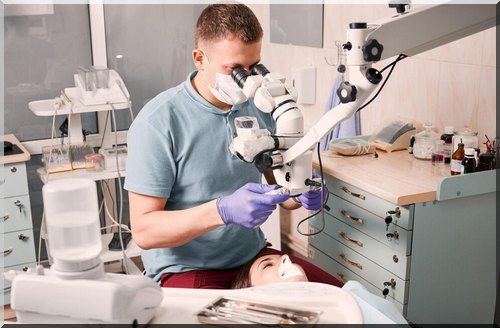
Cold/hot compress alternation: The key to managing swelling
Cold is ideal within the first 24 hours after extraction.
It reduces blood flow to the inflamed area, thereby decreasing swelling and pain.
Instructions: Wrap ice cubes or a gel pack in a clean cloth.
Apply to the cheek for 15 minutes, then take a 15-minute break.
Repeat this cycle several times a day.
- Pro Tip: Never place ice directly on the skin to avoid burns.
Why switch to warm compresses after 48 hours?
After two days, heat becomes more beneficial.
It stimulates blood circulation and reduces facial edema.
- How to do it: Soak a washcloth in warm water, wring it out, and apply it to the swollen area for 10 to 15 minutes.
Repeat 3 to 4 times daily.

Natural mouthwashes after extraction: 2 homemade anti-swelling recipes
Mouth rinses are key to preventing infection and reducing inflammation.
Natural solutions are particularly suited to avoid irritation.
- Warm salt water: Mix half a teaspoon of salt in a glass of warm water.
Gently rinse your mouth 2 to 3 times daily for its antiseptic properties.
- Chamomile tea: Prepare a concentrated, warm infusion.
Known for its soothing and anti-inflammatory benefits, it’s gentle on sensitive tissues.
- Caution: Avoid vigorous rinsing to prevent dislodging the protective blood clot.
Quick natural remedies to reduce swelling and tooth pain
Here are additional natural solutions to soothe pain and promote healing:
- Clove: Natural painkiller for a swollen cheek
Clove essential oil is recommended for severe tooth pain due to its antiseptic and analgesic properties.
Dilute one drop of essential oil in a teaspoon of water and gently apply it to the cheek with a cotton swab.
This can help reduce inflammation and dental pain.
- Honey after tooth extraction: How to use it for healing?
Apply a small amount of pure honey, known for its healing and antibacterial properties, to the external area near the painful site.
This promotes the healing of surrounding tissues.
- Black tea after tooth extraction: An underrated anti-inflammatory remedy
Rich in tannins with anti-inflammatory properties, black tea can help soothe irritated gums.
Steep a black tea bag in hot water, allow it to cool until warm, and place it directly on the affected gum for quick relief.
Effective supplements to reduce post-extraction facial swelling
Incorporating supplements into your routine can provide valuable support to reduce swelling and speed up healing.
Omega-3 for reducing dental inflammation: Proven dosage & benefits
Found abundantly in fish oil supplements, omega-3 fatty acids are renowned for their potent anti-inflammatory properties.
These essential fatty acids, including EPA (eicosapentaenoic acid) and DHA (docosahexaenoic acid), play crucial roles in modulating the body's inflammatory response.
- Recommended dosage typically ranges from 1,000 to 3,000 milligrams of combined EPA and DHA per day.
It's advisable to choose a high-quality fish oil supplement free from contaminants (aff)
Taking omega-3 supplements with meals can enhance absorption and minimize gastrointestinal side effects.
Curcumin and tooth extraction: Optimal anti-inflammatory dosage
Turmeric, a vibrant yellow spice derived from the Curcuma longa plant, contains curcumin, its primary bioactive compound.
Curcumin is known for its powerful anti-inflammatory and antioxidant properties.
- A typical dosage of curcumin supplements ranges from 500 to 2,000 milligrams per day, taken with meals to enhance absorption.
Look for turmeric supplement standardized to contain a high percentage of curcumin for optimal effectiveness (aff).
Bromelain (Pineapple): The supplement that reduces post-surgical edema
Derived from the stem and fruit of pineapple, bromelain is a mixture of proteolytic enzymes known for their anti-inflammatory effects.
Bromelain supplements have been shown to reduce swelling, bruising, and pain, particularly after surgery or traumatic injuries.
- The recommended dosage of bromelain typically ranges from 500 to 2,000 milligrams per day, taken between meals on an empty stomach for optimal absorption.
Quercetin after extraction: The flavonoid that speeds up healing
Quercetin is a flavonoid found in various plant foods, including onions, apples, berries, and leafy greens.
It possesses potent antioxidant and anti-inflammatory properties, making it a promising supplement for managing swelling.
- Quercetin is available in various forms, with dosages typically ranging from 500 to 1,000 milligrams per day.
It's recommended to take it with meals to enhance absorption.
Quercetin is often combined with other flavonoids or ingredients like bromelain to maximize its anti-inflammatory effects (aff).
Vitamin C post-extraction: Its key role in gum healing
As a water-soluble antioxidant, vitamin C plays a vital role in combating oxidative stress and inflammation.
By neutralizing free radicals and supporting immune function, vitamin C may help alleviate swelling and promote tissue repair.
- The recommended dosage of vitamin C supplements varies depending on individual needs but typically ranges from 500 to 2,000 milligrams per day.
It's advisable to divide the dosage throughout the day to maintain optimal blood levels of vitamin C.
Vitamin E and oral health: How it protects tissues after extraction
Vitamin E is a fat-soluble antioxidant that plays a crucial role in protecting cell membranes from oxidative damage.
Supplementing with vitamin E may help reduce inflammation and swelling by neutralizing free radicals and modulating inflammatory signaling pathways.
- The recommended dosage of vitamin E supplements varies depending on individual needs but typically ranges from 100 to 400 international units (IU) per day.
Look for natural vitamin E supplements with mixed tocopherols for optimal effectiveness (aff).
Ideal diet after tooth extraction: What to eat for fast healing?
Adopting the right diet post-dental surgery is essential to speed up healing while minimizing discomfort.
Why choose soft and liquid foods?
Soft or liquid foods protect the surgical site and minimize sensitivity.
These options require little to no chewing, reducing pressure on the affected area.
Recommended foods:
- Mashed potatoes for energy.
- Creamy yogurt for probiotics and protein.
- Scrambled eggs for high-quality protein.
- Pureed fruits or vegetables for vitamins and minerals.
- Soft cereals like oatmeal or rice for easy digestion.
What foods and drinks to avoid
Some foods can hinder healing or worsen discomfort:
- Avoid foods:
- Hot, spicy, or acidic foods that irritate sensitive tissues.
- Crunchy or hard foods, like nuts or chips, which can harm the surgical site.
- Avoid drinks:
- Alcoholic or carbonated beverages that may increase pain or delay healing.
Does drinking plenty of water help reduce inflammation?
Proper hydration is essential for speeding up the healing process.
Drinking water helps flush out toxins and keeps tissues well-hydrated.
However, avoid carbonated, alcoholic, or overly sugary drinks, as they may irritate the wound.
Persistent swollen cheek: When to see your dentist urgently?
Although post-extraction swelling is normal, certain signs require immediate attention:
- Worsening pain instead of improvement.
- Persistent fever.
- Pus or foul odor from the wound.
These symptoms may indicate an infection requiring medical care.
Tooth extraction: 6 key points for a smooth recovery
- Opt for a soft or liquid diet to reduce discomfort and speed up recovery.
- Use natural remedies like clove, honey, and black tea to soothe pain and swelling.
- Add beneficial supplements such as vitamin C, zinc, and omega-3s to support healing.
- Stay hydrated to maintain optimal recovery.
- Avoid irritants like spicy foods and smoking to prevent complications.
- Consult your dentist if symptoms persist or worsen.
By following these simple measures, you can achieve optimal recovery and daily comfort.
FAQ - Tooth extraction swelling and healing
How long does facial swelling last after tooth removal?
Typically, facial swelling can persist for several days after a tooth extraction. However, it varies from person to person.
What is the normal amount of swelling after a tooth extraction?
The amount of swelling varies, but mild to moderate swelling is common after tooth extraction and usually resolves within a week.
What are signs of infection after a tooth extraction?
Signs of infection may include increased pain, swelling, redness, warmth around the extraction site, fever, or foul odor/taste.
When is it safe to drink water after a tooth extraction?
It's generally safe to drink water after a tooth extraction. However, it's advisable to wait until the anesthesia wears off to avoid accidentally biting your cheek or tongue.
How can I tell if my tooth extraction is healing properly?
Signs of proper healing include reduced swelling and pain, formation of a blood clot at the extraction site, and gradual closure of the wound. However, if you have concerns, consult your dentist.