


Osteoarthritis in fingers: The journal that changed my hands
That morning, I couldn't open the jar of jam. My fingers were knobby, painful, strangers.
The diagnosis came: digital osteoarthritis, with its share of Heberden's nodes.
"Learn to live with it," they told me. I refused.
For a year, I kept a journal.
I wrote down my doubts, my trials, my failures, and – above all – my victories.
Today, my morning stiffness has been cut in half.
This is the story of what actually worked to restore flexibility and comfort.
No miracle promises, just facts - tested on myself.

30-Second Summary: The Essential Takeaway
- Diet is 70% of the solution - Turmeric, ginger, omega-3s, and eliminating sugar and bad oils
- 3 key tools - Curcumin supplements + essential oil roll-on (wintergreen, peppermint) + finger splints at night
- Consistency beats intensity - Daily routine of supplements, gentle exercises, and anti-inflammatory diet
Results visible in 3-4 weeks
📖 Table of Contents
The shock: Meeting the enemy
The pain first came like a sneak.
A stubborn stiffness in the morning, as if my joints had rusted overnight.
Then came the appearance of small hard bumps, painless at first, then more and more sensitive.
Heberden's nodes. Their name is almost poetic to describe something so disabling.
My general practitioner was kindly fatalistic.
The rheumatologist spoke of wear and tear, age, anti-inflammatories.
But something in me rebelled.
If it's simple wear and tear, why this inflammation? Why this burning pain?
I dove into research, determined to understand my inner fire.
The investigation: Osteoarthritis vs. Rheumatoid Arthritis, cysts and nodes
My first revelation was to put the right words to my ailment.
Osteoarthritis is not rheumatoid arthritis.
It's crucial.
My osteoarthritis is local wear and tear that causes reactive inflammation.
The fire is in the fireplace (my joint), not in the entire forest (my immune system).
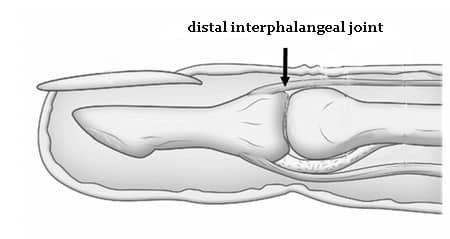
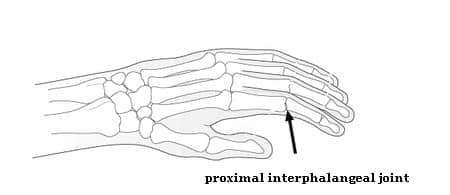
Heberden's nodes (at the fingertip) and Bouchard's nodes (in the middle) are not just "growths."
They are the scars, the fortifications my body built to stabilize a weakened joint.
I also discovered the existence of mucous cysts, these little fluid-filled beads that can grow near the nail. The body's bad idea to lubricate a grinding joint.
One piece of advice: do not pop them. The risk of infection is high.
Understanding this changed my battle: I wasn't fighting inevitable wear and tear, but a chronic, localized inflammation that I could influence.
Heberden nodes are caused by the formation of osteophytes (bone growth) caused by repeated trauma to the joint.
- Bony growths in the proximal interphalangeal joints, called Bouchard’s nodes, can limit joint movement
- Mucoid cysts: Small fluid-filled pockets that form on the side between the last joint of the finger and the base of the nail.
They may require surgical excision for better treatment.

How does finger osteoarthritis progress?
One thing I learned fairly quickly is that finger osteoarthritis does not always progress in a steady, predictable way.
There can be relatively quiet periods, followed by flare-ups when one joint suddenly becomes more painful, stiff, swollen, or sensitive.
In my case, the first signs were mainly morning stiffness and pain during very ordinary movements: opening a jar, turning a key, gripping an object, or writing for too long.
Over time, several changes may occur:
- More noticeable stiffness, especially after inactivity or first thing in the morning
- Painful flare-ups, when certain joints suddenly become much more sensitive
- Reduced grip strength, making everyday tasks harder
- Heberden’s or Bouchard’s nodes, caused by bony changes around the finger joints
- Gradual loss of mobility or changes in finger shape in some people as osteoarthritis progresses
But progression varies greatly from one person to another.
One joint may remain relatively stable for years while another becomes much more troublesome for a period of time.
That is also why I began using my journal to track what seemed to trigger my flare-ups and what actually helped me preserve mobility and everyday hand function.

How to preserve finger mobility and grip strength
When you have osteoarthritis in your fingers, pain is not the only concern.
What worried me most was the idea of gradually losing the use of my hands: not being able to open a jar, turn a key, type comfortably, hold small objects, or simply close my hand properly.
Loss of grip strength can be particularly frustrating.
You notice it during very ordinary tasks: holding a bottle, twisting a cap, carrying a mug, opening a door, or suddenly realizing that objects are slipping from your fingers more easily than before.
And on particularly stiff mornings, making a full fist can be surprisingly difficult.
What I eventually learned was that I needed to find a balance: do not force a painful joint, but do not stop moving it altogether either.
When my fingers are not in the middle of a painful flare-up, I try to move them gently every day:
- Open my hand fully, then slowly make a loose fist
- Touch my thumb to each fingertip, one at a time
- Spread my fingers apart and bring them back together without forcing
- Knead a very soft therapy ball or therapy putty for a few minutes when my joints tolerate it
- Keep using my hands in everyday life, but stop pushing through movements that clearly trigger pain
For me, a few minutes of regular movement work better than one long, aggressive exercise session.
When my hands are especially stiff, particularly in the morning, a little warmth before moving them also makes those first movements much more comfortable.
If a finger is very red, hot, swollen, and painful, however, I skip resistance work and stick to relative rest and very gentle movement.
I have also changed the way I perform certain everyday tasks.
Instead of gripping harder, I now try to reduce the amount of force my fingers have to produce: thicker handles, assisted jar opening, ergonomic utensils, using both hands when possible, and taking breaks during repetitive tasks.
👉 See ergonomic aids for arthritic hands on Amazon
Jar and bottle openers, adapted utensils, pen grips, enlarged handles and other tools that require less finger strength.
Typing and writing deserve special attention too.
If I have to type for a long time, I break the work into shorter sessions, change my hand position regularly, and pause as soon as my fingers begin to fatigue rather than waiting for pain to build.
The same applies to hobbies and manual activities.
I would rather adapt the way I knit, garden, cook, write, or use a computer than give up an activity completely because my hands can no longer tolerate doing it the old way.
These may seem like small adjustments, but they allow me to keep using my hands without turning every everyday task into a test of strength.
My goal is no longer to "strengthen my fingers at all costs".
It is to preserve three things for as long as possible: range of motion, useful grip strength, and dexterity.
Can you stop Heberden’s nodes from getting bigger?
This was one of the questions that worried me most when the first hard bumps appeared near the ends of my fingers.
Heberden’s nodes are bony changes that develop around the distal finger joints affected by osteoarthritis.
Once they are established, there is currently no natural method known to make them disappear or guarantee that they will never progress.
But that does not mean there is nothing you can do.
What I focus on instead is everything around the node: keeping the joint mobile, avoiding excessive strain when it is painful, managing flare-ups, maintaining useful hand strength, and adapting movements that place too much stress on the joint.
Will Heberden’s nodes spread to my other fingers?
Not necessarily in the same way or at the same speed.
Hand osteoarthritis can affect several joints, and Heberden’s nodes may eventually appear on more than one finger, but progression varies greatly from person to person.
Having one or two affected fingers does not tell you exactly what will happen to the others.
I also learned not to confuse how a finger looks with how useful it remains.
A finger can become more knobby without necessarily becoming unusable.
What would concern me more is a rapid change in shape, a major loss of function, severe swelling, or a joint that remains persistently hot and very inflamed.
In that situation, I would not automatically assume that osteoarthritis was the only explanation and would have the hand reassessed.
Over time, my goal has changed: I focus less on making the bumps disappear and more on preserving what my hands can still do.
Finger osteoarthritis and weather: For me, it makes a big difference
Weather has a huge effect on my fingers.
Cold, damp weather, rainy days, and especially sudden changes in weather can make themselves felt almost immediately.
My joints become stiffer, my fingers feel less flexible, and some of my nodes suddenly become much more noticeable.
Sometimes I even feel as if my hands know the weather is changing before I check the forecast.
Humidity is especially difficult for me.
It is not only about pain. My fingers feel heavier, less mobile, and movements that are normally easy suddenly require more effort.
I eventually started treating weather changes almost like another part of my routine.
When I know a cold or damp spell is coming:
- I keep my hands as warm as possible
- I avoid leaving my fingers cold or wet for long periods
- I warm them before starting my exercises
- I gently mobilize the joints before asking them to produce force
- And on particularly stiff days, I reduce resistance exercises instead of fighting against my hands
On days when stiffness is especially bad, I also use warmth for a longer period before moving my fingers.
A paraffin wax bath for the hands is another option for surrounding the fingers with gentle warmth before mobility work.
👉 See paraffin wax baths for hands on Amazon
Over time, I have learned not to treat these bad-weather days as proof that I am going backward.
My hands have good days and bad days, and for me, the weather is clearly part of the equation.
My Arsenal: 23 solutions tested, grouped into 4 pillars
I turned my kitchen into a lab and my bathroom into a small aromatherapy station.
I tried, tracked, compared, and wrote down what seemed to make a difference and what did not.
Altogether, my journal contains 23 different approaches.
Some helped me a lot, some only a little, and a few did almost nothing for me.
To make everything easier to follow, I have grouped them into the 4 pillars that eventually shaped my routine: diet, targeted supplements, aromatherapy, and practical physical aids.
Pillar 1: The dietary changes that became my foundation
Of everything I experimented with, diet was the long-term change that seemed to have the biggest effect on my everyday comfort.
I gradually reduced foods that, in my own routine, seemed worth limiting:
- Too much sunflower and corn oil: I began replacing them more often with other sources of fat rather than using them as my default oils.
- Sugar and highly refined carbohydrates: candy and cakes became less frequent, but so did white bread, white pasta, and other heavily refined foods.
At the same time, I started relying much more on foods that became regular parts of my meals:
- My "golden spices": turmeric, freshly grated ginger, Ceylon cinnamon on fruit in the morning, and garlic whenever it fits the meal.
- Small oily fish: sardines and mackerel. I try to eat them at least twice a week as a regular food source of omega-3s.
- Green vegetables: they now appear in some form at most of my meals.
What I wrote in my journal: after a few weeks, the constant dull ache I had become used to was noticeably less present.
For me, this eventually became the foundation on which I built the rest of my routine.
Pillar 2: Targeted supplements
Even with a carefully planned diet, I wanted to test several supplements to see which ones actually added something useful to my routine.
I introduced them gradually and used my journal to track what changed or didn’t, over the following weeks.
- The two I kept coming back to
Curcumin: I chose a formula that combines turmeric powder with a standardized turmeric extract rather than relying on turmeric powder alone.
The product I use provides 450 mg of turmeric powder and 50 mg of extract per capsule.
In my case, curcumin is one of the supplements with which I noticed the clearest difference in morning stiffness.
I take it as part of my morning and evening routine.
Omega-3 (EPA/DHA): when I choose a fish-oil supplement, I pay more attention to the actual amounts of EPA and DHA on the label than to the total amount of fish oil.
The one I use provides 680 mg of EPA and 250 mg of DHA per serving.
I also like the smaller softgels because they are easier for me to take consistently.
- Foundational support I’ve tested
MSM (Methylsulfonylmethane): I use Doctor's Best OptiMSM® powder, usually around 1000 mg mixed into water.
In my journal, I mainly noticed less of that numb, stiff feeling I used to wake up with after using it consistently for several weeks.
Bromelain: this pineapple-derived enzyme is something I reserve mainly for periods when one finger becomes especially swollen or sensitive.
The product I use is standardized to 2400 GDU/g.
Personally, I use it for short periods during flare-ups rather than continuously.
Vitamin D3: I added vitamin D after a blood test showed that my level was too low.
In my case, I take 5000 IU per day.
I mention this because it is my personal dose, based on my own vitamin D status, not an amount everyone should automatically copy without knowing their own level.
Magnesium glycinate: I tried different forms of magnesium and eventually stayed with glycinate because I tolerate it better digestively.
I take it in the evening.
For me, it fits mainly into my evening relaxation routine and also helps me wind down before sleep.
- A complete formula when I don’t want to take several supplements separately
Taking four or five different supplements every morning can quickly become inconvenient.
I therefore also looked for a formula that combines several ingredients in one product.
What I like about Nuvialab Flex is that it combines Curcumin C3 Complex® with MSM, glucosamine, and vitamin D.
In my experience, it was mainly morning stiffness and certain gripping movements, such as turning a key, where I noticed a difference after several weeks.
No miracle, but enough of a change for me to make a note of it in my journal.
👉 Learn more about Nuvialab Flex (aff)
- What I tested without any obvious result
Glucosamine / Chondroitin: I tried this type of joint supplement for several months without personally noticing a clear change in my fingers.
I still mention it because the point of this journal is not only to record what helped me, I also want to keep track of what didn’t convince me.
I used several of these same supplements when wrist tendonitis showed up alongside my finger osteoarthritis.
But that was not enough on its own, and I had to adapt my approach.
📋 Quick Reference: My Routine and the Dosages I Use
To make the practical details easier to find, here is how I use the main supplements, local care, and mobility tools mentioned in this guide:
| What I use | Dose / frequency in my routine | When I use it |
|---|---|---|
| Curcumin | 1 capsule morning + evening | With meals |
| Omega-3 (EPA/DHA) | According to the serving size of the product I use | With meals |
| MSM | About 1000 mg in my routine | Usually in the morning |
| Vitamin D3 | 5000 IU/day in my case, after a blood test showed a low level | Morning with a meal |
| Magnesium glycinate | 200–400 mg/day depending on the product I use | Evening |
| Essential oil roll-on | Local application up to 3–4 times a day when I feel I need it | During painful periods |
| Finger splint | Overnight when a joint is especially sensitive | Night |
| Therapy ball or putty | About 5 minutes | During the day, when my fingers are not in a painful flare-up |
⚠️ This table summarizes my own routine.
Supplement amounts may vary depending on the product, diet, medications, and individual situation.
I prefer introducing things one at a time rather than starting everything at once.
Pillar 3: Aromatherapy (My local care during flare-ups)
When one finger joint becomes especially painful, I like having a simple local treatment within reach.
After trying several blends, this is the 10 ml roll-on recipe I eventually kept:
- 15 drops of Wintergreen essential oil: it is naturally very rich in methyl salicylate and is the main essential oil I use in this blend for sore joints.
- 10 drops of Lemon Eucalyptus essential oil: I especially like it in massage blends for sensitive areas.
- 5 drops of Peppermint essential oil: it gives the blend a strong cooling sensation that I find pleasant when a joint is painful.
- Top up the 10 ml roll-on with Arnica oil: this forms the base of the blend and also makes it easy to massage the joint gently.
I massage the painful joint locally with this roll-on, up to 3 to 4 times a day when I feel I need it.
For me, it is mainly the massage combined with the warm-cool sensation of the blend that provides quick comfort.
It has become one of the local treatments I reach for when a node or finger joint becomes especially sensitive.
⚠️ Precautions with this roll-onWintergreen is very rich in salicylate compounds. Do not use this blend if you are allergic to aspirin or salicylates, or while taking anticoagulant medication.
It is for external use only and should not be swallowed.
I also avoid using it during pregnancy or breastfeeding, around the eyes or mucous membranes, or on broken skin.
A patch test on a small area of skin before first use is a good precaution.

Pillar 4: Physical aids (My everyday rescue kit)
Sometimes supplements and local care are not enough.
The simplest solution is to stop asking a painful joint to perform a movement it no longer handles well.
These are the small tools that gradually found their way onto my desk, into my kitchen, or into my bag.
Finger splints: when one joint is especially sensitive, I use a lightweight finger splint at night.
For me, it helps limit involuntary finger movement while I sleep and keeps me from repeatedly stressing a joint that is already sore.
A very soft therapy ball or therapy putty: it looks simple, but this is one of the tools I use most often.
I gently knead it for a few minutes during a phone call or while watching TV, as long as my fingers are not in the middle of a painful flare-up.
For me, the main benefit is simply that it encourages me to move my fingers regularly without turning it into a complicated exercise session.
Tools that make everyday tasks easier: this is something I barely thought about at first, even though my story begins with not being able to open a jar.
Jar openers, bottle openers, thicker handles, ergonomic utensils, and pen grips can all reduce the amount of force the fingers need for ordinary movements such as gripping, twisting, holding, or cutting.
I now prefer to adapt the object rather than force a painful joint.
I eventually started using an electric jar opener too.
Instead of gripping harder and twisting with my fingers, I can let the device do most of the work.
Heat: when my fingers are mainly stiff rather than hot and swollen, a few minutes of gentle warmth feels very helpful before I start moving them.
Depending on the day, I use a simple source of warmth or longer heat when the stiffness is especially stubborn.
Arnica or hemp cream: when I do not feel like preparing my roll-on or smelling strongly of essential oils, I sometimes use a cream for a quick massage over sore fingers and joints.
My copper bracelet: I’ll be honest, I have no way of knowing whether it actually does anything for my joint pain.
I still wear it often because I like it and I am used to having it on my wrist.
On cold days, I sometimes feel more comfortable with it, but I consider it a personal habit rather than an important part of my routine.
The finger splint helped me a lot with my hands. But when pain began appearing higher up in my arm and shoulder, I had to look at the problem differently. I explain that part of my experience in my article about shoulder and arm pain at night.
What I actually use in my daily routine
After all my experiments, some products stayed in my routine and others did not.
I do not use everything all the time. I adapt depending on the period and on how my fingers feel.
🌿 My everyday foundation
• Curcumin - One of the supplements I have kept most consistently in my routine.
• Omega-3 EPA/DHA - Alongside the oily fish I eat regularly.
🦴 Supplements I use for limited periods
• MSM - I use it in courses when stiffness becomes more noticeable.
• Bromelain - I mainly reserve it for periods when one finger becomes particularly sensitive or swollen.
🌙 Evening relaxation
• Magnesium glycinate - I mainly take it in the evening as part of my relaxation routine.
• Vitamin D3 - I take it because my blood test showed that my level was too low.
🖐️ Local care and mobility
• The finger splints I use - Mainly at night when one joint is particularly sensitive.
• Therapy ball - A few minutes of gentle movement when my fingers are not in a painful flare-up.
• Arnica and hemp cream - My quick option when I do not use the essential-oil roll-on.
I prefer adapting my routine to what I need at the time rather than using everything at once.

My daily finger osteoarthritis routine: How I put everything together
What helped me most was not trying to do everything at once, but building a routine simple enough to maintain over time.
This is what a typical day looks like when my fingers are relatively calm, and how I adapt things when one joint becomes more sensitive.
Morning
- When I wake up: about 5 minutes of very gentle finger movements and stretches, without forcing a painful joint
- Breakfast: oatmeal with a teaspoon of Ceylon cinnamon and fruit
- Supplements: curcumin, omega-3, and vitamin D as part of my personal routine
During the day
- I keep my therapy putty nearby and gently work my fingers for a few minutes when they are not in the middle of a painful flare-up
- I continue eating plenty of vegetables, spices, and oily fish while keeping highly sugary and heavily refined foods less frequent
- If discomfort appears, I occasionally use my essential-oil roll-on or a gentle local massage
- Most importantly, I now try to adapt the movements that make me strain rather than pushing through them: opening a jar, carrying a bag, turning a key, typing for long periods, or holding an object for too long
Evening
- Dinner: I regularly cook with turmeric, ginger, garlic, and other spices
- Relaxation: depending on the day, I massage my hands with arnica or hemp cream or use a little warmth when stiffness is the main problem
- If one joint is particularly sensitive: I wear a finger splint at night to limit involuntary movement and give the joint a quieter night
💫 What matters most to me: consistency
I no longer try to stack every solution at the same time.
My routine usually comes down to:
✓ A food foundation I can realistically maintain every day
✓ One or two targeted supplements depending on what I need
✓ Local care when a joint becomes sensitive
✓ Gentle movement and practical aids so I can keep using my hands without overloading them
The goal is simply to find the simplest combination I can actually maintain over time.
The questions I asked myself (And my answers)
Throughout my research, tons of questions came to me.
Here are some of them, with the answers I found in the field.
Can you pop a mucous cyst yourself?
Absolutely not! I know the temptation is great, especially if it's unsightly. But it's an open door to serious infections, and the cyst would very likely come back. The only solution is to see a dermatologist or surgeon for a clean and definitive excision. It's a small procedure, much less risky than an infection.
Is glucosamine worth it?
For me, personally, the effect was minimal. I tested this complex for three good months and did not note any significant improvement in my pain or stiffness. However, I must say I know people for whom it has been a revolution. It really seems to depend on the individual and the stage of osteoarthritis. The only way to know is to test it seriously for at least 3 months.
How to hold a pen or cutlery without pain?
That was a real daily battle! My solution was to invest in ergonomic pens and cutlery. It truly changes life by reducing pressure on the joints.
That's adaptation: finding the little tools that make daily life easier.
Cold or heat, which to choose for relief?
I use both, but for different reasons!
- HEAT (like with the massager): I use it in the evening to relax stiff muscles around the joint and improve circulation. Perfect for chronic stiffness.
- COLD (like the effect of peppermint oil): I apply it during an inflammatory flare-up, when the joint is swollen, red, and hot. Cold anesthetizes and reduces inflammation.
I've heard about injections. What do you think?
This is a topic to be discussed strictly with your rheumatologist.
Corticosteroid injections may be considered to calm a very painful inflammatory flare that doesn't respond to anything else. It's a powerful "brake."
But it is not a long-term solution and comes with side effects.
Personally, I did everything to avoid them by managing my inflammation upstream with my natural protocol.
But I don't judge: every journey is unique.
Can osteoarthritis in the fingers end up "locking" completely?
This was one of my biggest fears early on. My rheumatologist explained that sometimes joints can end up "ankylosing" naturally, meaning they fuse and no longer move at all.
But paradoxically, this can sometimes relieve the pain.
The real danger is the stiffness and loss of function before that happens.
That's why maintaining gentle, regular mobility with exercises and the ball is so crucial: to keep control of your hands for as long as possible.
Can finger arthritis be reversed naturally?
No, osteoarthritis cannot be "reversed" because joint cartilage doesn't regenerate.
However, natural remedies can significantly slow progression, reduce inflammation, and manage pain effectively.
With consistent effort, you can reduce pain by 50-70% and maintain mobility for decades.
The goal is not reversal, but optimal management and preserving quality of life.
How long does it take to see results with natural finger arthritis treatments?
Based on my experience testing these 23 methods, results are gradual but steady.
- 1-2 weeks: Reduced morning stiffness, less joint swelling
- 3-4 weeks: Noticeable pain reduction, better grip strength
- 2-3 months: Sustained improvement, fewer flare-ups, Heberden's nodes less painful
- 6+ months: Slowed progression, maintained mobility, better quality of life
Key takeaway: This is a long-term commitment, not a quick fix. Consistency matters more than intensity.
My conclusion: A path, not a destination
After testing these 23 natural approaches for finger osteoarthritis, I realized that, for me, the answer was never going to be one miracle remedy.
I am not promising a cure.
The osteoarthritis is still there. But today, I live with it much better than I did before because of the changes I gradually built into my everyday life.
My pain has decreased by more than half, and morning stiffness is far less noticeable than it used to be.
This year of experimenting taught me above all to observe.
To notice what seems to trigger a flare-up, what genuinely makes my hands feel better, what I can realistically maintain over time, and what ultimately does not add much to my routine.
There is no single solution.
For me, the difference came from combining several things: food, a few carefully chosen supplements, local care, gentle movement, and especially the small adaptations that keep me from forcing my fingers unnecessarily.
If I were starting over today
I would not try 23 things at once.
✓ I would start with a simple food foundation.
✓ I would choose one or two supplements at most and give myself time to evaluate them properly.
✓ I would keep one local treatment available for painful periods.
✓ I would continue to move my fingers gently whenever they allow it.
✓ And I would adapt everyday objects and movements instead of repeatedly forcing painful joints.
That consistency - much more than chasing the perfect remedy - is what changed the way I live with my hands.
Think of this guide as a toolbox.
Take what fits your situation, pay attention to how your hands respond, and gradually build a routine that works for you.
If you have already found something that genuinely helps your fingers, share your experience in the comments.
Those real-life observations often give other readers the most useful ideas.
Download My Free Finger Arthritis Guide
* Updated: September 2026