


Does your dog have bad breath or yellow teeth?
Facing canine dental issues, natural solutions can effectively prevent plaque and tartar buildup.
✅ In this complete guide, you'll discover:
- 7 proven natural methods (baking soda, coconut oil, DIY sprays...)
- Exact protocols tailored to each remedy
- When to see the vet - dental emergency signs
- Mistakes to avoid - dangerous products for dogs
Dog dental plaque: Understanding and preventing buildup
Dental plaque is a thin, sticky layer of bacteria that forms on your dog's teeth, particularly along the gumline.
Without regular care, it hardens into tartar, a much tougher problem to remove.
This buildup can lead to serious oral health issues, such as gingivitis or periodontal disease.
Dog dental health importance: Plaque effects on vital organs
- Plaque can cause bad breath.
- It may lead to oral infections.
- If untreated, it can affect vital organs like the heart and kidneys.
Dog dental problem signs: Red gums and bad breath
Watch out for the following symptoms:
- Persistent bad breath.
- Red or swollen gums.
- Difficulty chewing or loss of appetite.
- Visible yellowish tartar buildup on the teeth.
When to see your vet urgently?
- Bleeding gums that won't stop
- Refusing to eat for more than 24 hours
- Severely swollen gums with pus
- Loose teeth or tooth loss
- Obvious pain when touching mouth
⚠️ Don't wait: dental infections can spread quickly

Dog dental care equipment: Choosing right brush and paste
Choosing dog toothbrush: Models adapted canine anatomy
Effective dental care for your dog depends on selecting the proper tools — a toothbrush designed for canines and toothpaste made specifically for dogs.
These tools, tailored to your dog’s unique oral needs, are vital for optimal cleaning.
Establishing an enjoyable brushing routine involves patient and positive introduction of these tools.
Gradually acclimate your dog to the process, turning this care into a bonding moment through praise and rewards.
This holistic approach ensures not only dental effectiveness but also fosters a positive connection between you and your furry friend.
Dog dental chew toys: Mechanical action against plaque
Easily incorporate dental care into your dog’s routine by using chew toys and treats specifically designed for them.
These items serve as both rewards and effective tools for maintaining oral hygiene.
Think of this approach as part of a “dental toolkit”, a conceptual arsenal including tools and practical strategies to combat plaque continuously.

Brushing dog teeth: Step-by-step effective technique
- Choose a quiet moment when your dog is relaxed.
- Apply a small amount of toothpaste to the brush.
- Gently brush in circular motions, focusing on the gumline.
- Duration: Start with short sessions and gradually increase the time.
Natural dog teeth treatment: Home anti-plaque protocols
- Coconut oil and dog teeth: Natural antibacterial properties
With its inherent antimicrobial properties, coconut oil becomes a natural ally in fighting plaque.
Apply it directly to your dog’s teeth or incorporate it into their meals.
Coconut oil use:
- 1/2 teaspoon directly on teeth
- Or mix with food daily
- Massage gums 3x/week
- Baking Soda for dog teeth: Gentle abrasive for tartar
Sprinkled on your dog's toothbrush, it helps remove plaque and provides mild polishing effects.
Its abrasiveness, combined with neutralizing properties, aids in deep, natural cleaning — proving effective dental care doesn’t have to rely solely on commercial products.
Baking Soda Protocol:
- Mix 1/2 teaspoon with a little water
- Apply 2x/week maximum
- Avoid on sensitive gums
- DIY dog dental spray: Apple Cider Vinegar recipe
Apple cider vinegar, with its antibacterial properties, is a powerful ingredient in homemade oral solutions.
Diluted with water, it can be used as a mouthwash or spray to fight bacteria and promote gum health.
Apple Cider Vinegar spray:
- 1 part vinegar to 3 parts water
- Spray on teeth 1x/day
- Shake well before use
Dog dental health diet: Kibble and veggies benefits
Optimize your dog’s diet for oral health by incorporating dental kibble and crunchy vegetables.
Dental kibble acts as a natural toothbrush, removing plaque during meals, while crunchy vegetables support gum health and provide essential nutrients.
Veterinary dental checkups: When professional cleaning needed
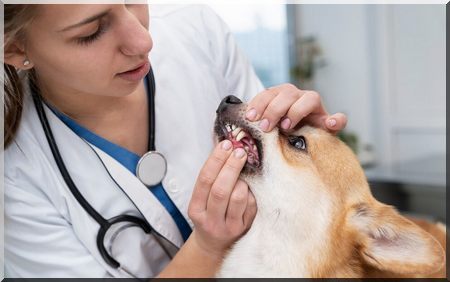
Professional dog dental exam: Early problem detection
Consider a dental checkup as an essential health evaluation for your dog’s mouth.
Schedule these appointments annually, with more frequent visits depending on individual needs.
During these exams, your veterinarian thoroughly assesses your dog’s teeth, gums, and mouth, looking for issues like plaque or gingivitis.
This comprehensive evaluation may include dental X-rays for a deeper understanding.
After the checkup, your vet will create a personalized plan, allowing you to actively maintain your dog’s dental health through at-home care, dietary recommendations, and advice on dental products.
Professional dog dental cleaning: When and why
Professional dental scaling is crucial for dogs with tartar buildup, offering a comprehensive solution beyond regular brushing.
Performed under anesthesia, the procedure removes stubborn tartar and examines the entire oral cavity.
While concerns about anesthesia are natural, this intervention ensures a thorough cleaning, reaching areas inaccessible during awake procedures.
Its benefits extend to preventing and managing dental diseases, safeguarding your dog’s health.
Tips for resistant or anxious dogs
Handling a resistant dog
Acclimate your dog to dental care by using gradual introduction techniques and positive reinforcement.
Familiarize them with dental tools before brushing to build trust.
Use treats and praise as positive reinforcement to turn each brushing session into a rewarding experience.
Start with short, enjoyable brushing sessions, gradually increasing their duration, focusing on quality over quantity.
This strategic approach transforms dental care into a positive experience, encouraging cooperative behavior in your furry friend.
Soothing techniques for anxious dogs
Discover calming techniques for dogs anxious about dental care.
Encourage familiarity by gradually introducing dental tools, use calming aids like pheromone diffusers, and always be gentle.
Building trust is key to stress-free oral hygiene routines.
Consistently applying these techniques ensures positive associations, transforming dental care into a cooperative and pleasant experience for your furry companion.
This holistic approach not only eases anxiety but also nurtures a positive relationship with your dog.

Product recommendations
- Dog-friendly toothbrush and toothpaste set
Opt for a toothbrush designed for canines and a dog-friendly toothpaste to ensure an enjoyable and effective brushing routine (aff).
- Specially designed chew toys for dental health
Incorporate chew toys crafted to promote dental health, encouraging chewing for plaque and tartar removal during playtime.
- Dental treats formulated to reduce plaque and tartar buildup
Choose dental treats that offer a tasty reward while actively contributing to dental hygiene, targeting plaque and tartar (aff).
- Natural Coconut Oil for homemade dental solutions
Utilize natural coconut oil's antimicrobial properties in homemade dental solutions, either applied directly or added to your dog's food (aff).
- Dental-friendly kibble with a texture for plaque removal
Opt for kibble designed to support oral hygiene, with a textured surface that helps scrub away plaque during regular chewing.
These product recommendations cover various aspects of dental care, providing a holistic approach to ensure effective plaque prevention and contribute to your dog's oral well-being.

A plaque-free smile
By understanding how to clean your dog’s teeth, you protect their oral health while strengthening your bond.
A tailored routine and specific tools will make all the difference in preserving their well-being.
Your questions about dog dental health
Are human toothpaste and brushes safe for dogs?
No, human toothpaste often contains xylitol and other ingredients that can be toxic to dogs. Use toothpaste specifically formulated for canines and opt for brushes designed for their unique oral anatomy.
How often should I brush my dog's teeth?
Aim for at least 2-3 times a week, but daily brushing is ideal for optimal dental health. Consistency is key to plaque prevention.
Can dental treats replace brushing?
While dental treats can be beneficial, they should complement, not replace, regular brushing. Treats alone may not provide thorough plaque removal.
Do certain dog breeds require more dental care?
Yes, small breeds and those with crowded teeth may be more prone to dental issues. Tailor your dental care routine based on your dog's unique needs.