

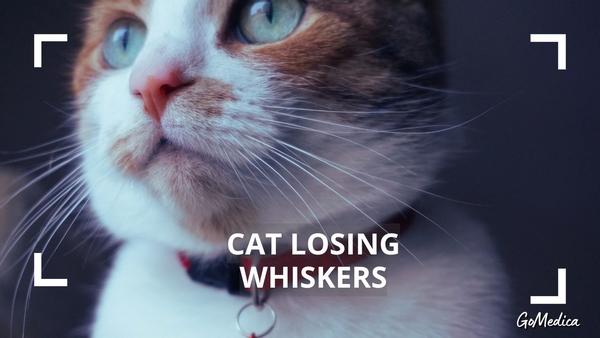
Is your cat losing whiskers?
Don’t panic—some shedding is normal, but excessive loss may signal health issues.
Here’s what you need to know:
- ✅ Normal vs. excessive shedding – Occasional loss is natural, but sudden or patchy loss may need attention.
- 🐟 Diet & nutrition – Protein and omega-3 deficiencies can weaken whiskers.
- 🏥 When to see a vet – Redness, sores, or behavioral changes require a check-up.
- 🌿 Natural remedies – Safe home care tips to support whisker regrowth.
Why do cats have whiskers? (And why they matter)
Whiskers aren’t unique to cats. Many mammals, including primates, have them.
But why do some species have such prominent whiskers?
A tool for navigating in the dark
For nocturnal animals like cats, whiskers are essential for navigating in the dark, a key time for hunting.
While a cat’s hearing and sense of smell are highly developed, its vision has notable limitations:
- Limited close-range sight: Cats struggle to see objects less than 12 inches (30 cm) away.
- Distance vision strength: They excel at spotting distant movements but lack precision in close-up vision.
Did you know that whiskers contribute to nearly 40% of the brain’s sensory function?
That highlights how crucial they are to a cat’s survival and daily behavior.
What are whiskers for?
Whiskers, also called vibrissae, are sensory hairs quite different from regular fur.
Three times thicker and longer than other hairs, they are deeply rooted in the skin and connected to the muscle and nervous systems to relay precise information to the brain.
At their base, rich nerve endings and blood supply make them highly sensitive environmental sensors.
While the prominent whiskers around the muzzle are the most noticeable, they’re also located above the eyes, on the chin, cheeks, and even the back of the legs.
The tip of each whisker contains a proprioceptor, a sensor that detects air currents, obstacles, and helps the cat fine-tune its movements.
Each cat has exactly 24 whiskers.
Fun fact: The longest whiskers ever recorded measured 19 cm (7.5 inches)!
Clearly, whiskers are essential to a cat’s life.
Their main functions
- Orientation and balance: Detect nearby objects, even in the dark.
- Hunting and movement: Locate prey and assess tight spaces.
- Protection and communication: Signal the cat’s mood and shield eyes from objects or debris.

Why is my cat losing whiskers?
Whisker loss can be caused by various factors, from the natural hair renewal cycle to health issues.
Here are the main reasons:
- Normal renewal cycle: Like hair, whiskers fall out to be replaced.
- Injuries or infections: Skin issues or wounds can lead to whisker loss.
- Poor diet: A lack of protein or essential fatty acids can weaken hairs.
- Stress or allergies: These can disrupt skin and follicle health.
If your cat is losing an unusual amount of whiskers, consult a veterinarian.
How to care for your cat during significant hair loss
Hair loss in cats, also known as alopecia, can have various causes.
Here’s how to maintain your feline’s health:
How to improve your cat’s diet to prevent hair loss
Diet plays a crucial role in your cat’s coat health.
Here are some tips:
- Prioritize high-quality protein: Opt for protein-rich foods that are easy to digest, such as wet food or homemade meals.
- Reduce carbs: Avoid dry kibble often packed with carbohydrates.
- Add omega-3s: Fish oil is ideal for strengthening skin and fur (aff).
Administer 500–1000 mg daily, depending on your cat’s needs.
How to keep your cat hydrated
Proper hydration is essential to prevent dry skin.
Try these suggestions:
- Provide fresh water: Place multiple water bowls around your home.
- Invest in a water fountain: Cats often prefer moving water, encouraging them to drink more.
- Choose moist foods: Wet food contains about 80% water, compared to only 5% in kibble.
What local care to apply for hair loss?
In addition to diet and hydration, external care can help:
- Use a suitable brush: A tool like the Furminator removes dead fur and boosts blood circulation (aff).
Brush your cat daily.
- Hydrate the skin: Apply a gentle homemade lotion:
- 1 cup of water
- 5 ml peppermint hydrosol (avoid essential oils, as they’re harmful to cats)
- 2 tablespoons of aloe vera gel (aff)
Gently dab onto the skin with a cotton cloth.
How to take care of your cat’s whiskers
Whiskers are vital tools for your cat.
Here’s how to care for them:
- Never cut them: This can impact balance and perception.
- Choose the right dish: Use a wide, shallow bowl to avoid pressing on whiskers.
- Handle gently: Avoid stroking whiskers against the grain or excessively.

When to consult a vet
You should seek professional advice if:
- Whisker loss is excessive, sudden, or localized.
- The skin has redness, crusts, or wounds.
- Your cat seems stressed or lacks energy.
Why are whiskers crucial for your cat?
Cat whiskers aren’t just hairs. They play a central role in your cat’s balance, hunting, and emotions.
Moderate loss is normal, but excessive loss requires attention to ensure your cat’s well-being.
Focus on proper nutrition, hydration, and care to keep your feline in top health.
FAQ – Hair loss in cats
Can parasites cause hair loss?
Fleas, ticks, or mites can irritate the skin and cause hair loss. Regularly inspect your cat and treat them with suitable anti-parasite products.
Why is my cat losing hair in specific areas?
Localized hair loss can indicate:
- Injury: Check for scrapes or wounds.
- Ringworm: This fungal infection causes circular bald spots.
- Hormonal problems: Consult a vet to assess overall health.
Do older cats shed more?
Yes, older cats may shed more due to slower metabolism or age-related coat quality decline. Adding nutrients like omega-3s can help.
Do whiskers grow back if they fall out?
Yes, they do grow back, but it can take several weeks since they grow slower than regular fur.