


Wondering why your legs ache and how to relieve the discomfort naturally?
Aching legs can stem from poor circulation, muscle fatigue, nutrient deficiencies, or underlying conditions.
The good news? Many causes respond well to simple home remedies.
In this guide, you’ll discover:
✔ 11 common reasons for persistent leg aches (from varicose veins to magnesium deficiency)
✔ Science-backed natural treatments for each cause
✔ When to see a doctor (red flags like swelling or numbness)
✔ Fast relief tricks (acupressure, herbal oils, and posture fixes)
9 Natural Solutions for Fast Relief
- Nighttime leg elevation (+6 inches)
- Contrast foot baths (hot/cold alternating)
- Light compression stockings
- Magnesium bisglycinate supplementation
- Targeted calf acupressure
- Essential oil massage
- 5-minute daily stretching
- Optimal hydration with electrolytes
- Sleep position with pillow between knees
IDENTIFY YOUR PAIN TYPE
- Circulatory pain: Heavy legs, varicose veins, swelling
- Muscular pain: Cramps, soreness, strains
- Neurological pain: Sciatica, restless legs, tingling
- Joint pain: Stiffness, arthritis, stress fractures
TARGETED SOLUTIONS BY TYPE
- For heavy legs: Compression + venous tonics
- For muscle cramps: Magnesium + stretching
- For nerve pain: Vitamin B1 + posture correction
- For joint stiffness: Heat therapy + gentle exercises
Aching legs after walking too much?
Leg pain after extended walking may stem from several causes:
1. Poor circulation in legs? (Arterial disease)
- This condition often occurs due to the accumulation of cholesterol deposits in the arteries.
- Symptoms typically include pain that arises during walking, subsides at rest, and returns upon resuming activity.
- Referred to as intermittent claudication, this condition necessitates medical attention.
2. Muscle or ligament pain from walking?
- Engaging in vigorous walking or overexertion can lead to temporary muscle fatigue and subsequent leg pain.
- While this discomfort is usually benign, it's essential to allow adequate rest for muscle recovery.

Sore legs after running?
Leg pain during or after running often arises from muscle-related issues, including:
1. Sharp pain when running? (Muscle elongation)
- Sharp pain experienced during or after exercise may signal muscle elongation.
- This discomfort typically worsens when stretching the calf and is accompanied by a contracted muscle that feels rigid to the touch.
2. Sudden stabbing pain? (Muscle tear)
- Intense physical activity can lead to a sharp, stabbing pain indicative of a muscle tear.
- Swelling or bruising may develop in the affected area within hours of the injury.
3. Nighttime leg cramps? (Muscle spasms)
- Cramps characterized by sharp pain result from muscle contractions.
- The affected muscle often feels stiff and tight during a cramp episode.
4. Whole-body aches after exercise?
- Diffuse muscle pain post-exercise indicates intense muscle fatigue.
- This discomfort is a common aftermath of strenuous physical activity.
5. Dull, persistent pain? (Stress fracture warning signs)
- Moderate pain persisting during activity could indicate a stress fracture.
- Resulting from intense sports activity, stress fractures necessitate medical consultation as they do not subside with rest.
If you're wondering what causes leg pain at night or why do my legs feel heavy at night, the underlying cause could be circulatory, muscular, or even hormonal - especially during perimenopause.
We'll cover these scenarios in detail below.

Morning leg pain: Why it happens and how to fix it
Morning leg pains often present a puzzling challenge, with potential causes including:
1. Heavy legs in the morning? (Circulation boosters)
- Sensations of heavy legs upon waking may stem from circulatory issues.
- Allowing ample time to rise in the morning supports proper venous return, easing discomfort.
2. Varicose veins causing pain?
- Venous insufficiency linked to varicose veins can induce pain and heaviness, typically alleviated after a few minutes of walking.
3. Does bad sleep cause leg pain?
- Insufficient or poor-quality sleep can lead to morning fatigue and discomfort.
- Prioritize adequate sleep duration to mitigate morning pain.
4. Sleep apnea and aching legs linked?
- Reduced oxygen levels in the legs may relate to respiratory conditions like sleep apnea, allergies, or sinus problems.
- Iron deficiency can exacerbate this issue.
5. Muscle cramps at dawn? (Magnesium & Vitamin D fixes)
- Deficiencies in essential nutrients such as magnesium, calcium, and vitamin D can trigger leg pain by compromising proper muscle function.
Many readers find relief with magnesium supplements, creams, or Epsom salt baths, while others swear by bananas for their potassium content to ward off nighttime cramps.
If you're deficient in magnesium, a quality magnesium bisglycinate supplement or a magnesium spray applied directly to the calves can make a noticeable difference.

How to treat leg pain at home (Nighttime relief)
Aching legs at night can disrupt sleep, with potential causes and remedies including:
Morning stiffness and soreness? Sleep position fixes
- Sleeping with bent or overly contracted legs can lead to discomfort.
- Ensure you relax and adopt a comfortable position for sleep to minimize pain.
Does heat make leg pain worse? (Ideal room temp)
- High room temperature or excessively warm bedding can worsen pain related to varicose veins.
- Maintaining a moderate temperature in your sleeping environment can help alleviate circulation problems.
Restless legs keeping you up?
- RLS, characterized by tension and an irresistible urge to move the legs, significantly impacts sleep quality.
- Consult a healthcare professional for management strategies tailored to RLS symptoms.
General aches at night?
- Transient body aches lasting 3 to 4 days are typically not concerning and tend to resolve on their own.
- Employ relaxation techniques and gentle stretching to alleviate discomfort and promote restful sleep.
Some readers also ask whether leg pain is a perimenopause symptom or if statins can cause leg pain.
The answer is yes to both - hormonal shifts and certain medications can contribute to muscle aches and cramps.
And while magnesium is often recommended, it's not a universal cure
Always check with your healthcare provider to identify the root cause.
Home remedies for severe leg pain and heavy legs
Why do my legs feel heavy at night?
Understanding the causes of heavy legs at night involves considering various factors:
- Leg pain that comes and goes? (Claudication fixes)
This condition causes pain to fluctuate during exertion due to vascular obstructions.
Implementing a low-carb diet and engaging in moderate, regular exercise can enhance blood circulation in the legs.
- Sciatica night pain?
Sciatica arises from the pinching or spasms of the sciatic nerve originating from the lower back.
Symptoms may include sharp pain in the back of the leg, lower back, or buttock.
- Restless legs + tingling? (Vitamin B1 solutions)
Lactic acid buildup in the muscles, often due to vitamin B1 deficiency, can contribute to RLS.
Additionally, conditions such as Epstein-Barr virus infections and vitamin D deficiency can also cause leg pain.
- Tingling discomfort at night? Pinched nerve
A pinched nerve in the lumbar region can cause radiating pain down the legs.
- Nighttime leg cramps? (Electrolyte balance)
Deficiencies in potassium, magnesium, calcium, or sodium may lead to leg cramps and pain in the calves or feet.
- Old injury flaring up?
Past injuries, such as tailbone falls, knee fractures, or ankle sprains, can result in abnormal walking patterns, joint wear and tear, and subsequent leg pain, often culminating in arthritis.
- Sudden swelling & pain? (Blood clot warning signs)
Characterized by clot formation in deep leg veins, venous thrombosis obstructs blood flow, leading to sharp pain, swelling, and potential discoloration.
- Varicose veins worse at night? (Compression help)
Issues with superficial veins like varicose veins can cause compressive leg pain.
- Diabetic leg pain?
High blood sugar levels in diabetes can deplete vitamin B1, resulting in artery and capillary oxidation.
This can lead to muscle weakness, lack of oxygen, and subsequent leg pain.

How to treat deep ache in legs naturally
Varicose veins and swelling?
- Compression stockings can provide relief by promoting venous return (aff).
- In warmer weather, venotonic treatments like Daflon can be an alternative.
- Elevating the legs while sleeping can aid in venous return.
- Cold water foot baths can also alleviate pain.
Muscle cramps and weakness? (Magnesium + Vitamin D)
- Magnesium deficiency contributes to muscle tension, so consider a magnesium cure.
- Similarly, vitamin D deficiency can lead to muscle weakness and pain.
Taking vitamin D supplement or spending time in the sun can help restore normal levels (aff).
Beyond supplements, essential oils like lavender, rosemary, ginger, black pepper, and cypress are frequently mentioned in online communities for their soothing properties.
Diluted with a carrier oil and massaged into the calves, they can provide both circulatory and muscular support, especially cypress oil for varicose veins and ginger oil for circulation.
Natural remedies for leg pain and muscle aches
Before exploring specific techniques, here's a quick overview of the most effective natural approaches based on your pain type:
| Pain Type | Top Natural Remedies |
|---|---|
| Circulatory / Heavy Legs | Compression stockings improve venous return, while leg elevation (+6 inches) and contrast cold baths reduce swelling. Venotonics like Daflon are also effective for heavy legs and varicose veins. |
| Muscle Cramps / Spasms | Magnesium bisglycinate supplements, magnesium cream, and Epsom salt baths relieve cramps effectively. Potassium-rich foods like bananas also help prevent nighttime leg cramps. |
| Nerve Pain / Sciatica / RLS | Vitamin B1 supplementation supports nerve function, while calf acupressure and posture correction alleviate sciatica. Grounding techniques are also used for restless legs syndrome. |
| Joint / Arthritis Pain | Heat therapy soothes stiff joints, while gentle exercises like swimming and yoga maintain mobility. Turmeric is a popular anti-inflammatory supplement for joint pain relief. |
Best exercises for leg circulation (Low-impact moves)
Engaging in physical activity is highly recommended to improve venous circulation.
Endurance exercises like biking, elliptical trainer, walking, yoga, and swimming are particularly beneficial (aff).
Avoid high-impact activities that may exacerbate discomfort.
Electrostimulation for pain relief (Does it work?)
Muscle electrostimulation can activate blood circulation, relieve pain, and reduce heaviness in the legs, feet, and ankles.
This technique involves using electrical stimulation for legs that emit waves to stimulate leg muscles and restore blood flow (aff).
Leg massagers for circulation (Do they help?)
Cordless and rechargeable leg massagers can reduce leg heaviness and muscle fatigue while boosting blood circulation.
These portable massagers provide pressure massage without kneading or vibrations (aff).
Acupressure mat for aching legs (How to use)
Lying on an acupressure mat for a few minutes each day can promote relaxation and activate blood circulation (aff).
The heat generated by the mat helps relieve discomfort and provides overall relief.
Instant relief for leg fatigue: Acupressure points
Applying pressure to specific acupressure points, such as the middle of the calf, can provide quick relief from tension and leg pain.
Massaging this area for a few minutes on each leg can offer beneficial effects.

Stand up to attention, your hands on your thighs, and massage the exact spot under your middle finger.
Apply gentle pressure on each side for 2-3 minutes, you will feel a feeling of relief from tension.

Best shoes for leg pain + natural support tips
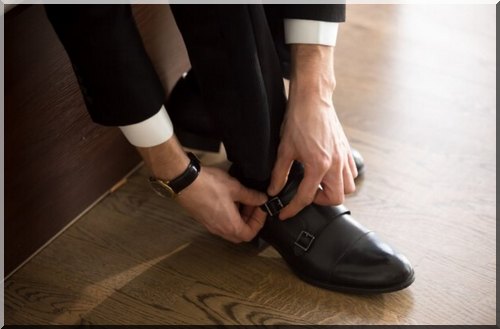
Your choice of footwear plays a pivotal role in maintaining optimal leg health and minimizing discomfort.
Ill-fitting or unsupportive shoes can exacerbate various leg issues, ranging from muscle strain to chronic conditions like plantar fasciitis and shin splints.
- Selecting the right footwear
The shoes you wear should cater to the demands of your activities and complement your foot's structure.
Running shoes, for instance, are engineered to provide ample cushioning and support during high-impact exercises, while walking shoes prioritize stability for extended periods of ambulation.
Ensure your shoes offer sufficient arch support, cushioning, and proper width to accommodate your feet comfortably.
- Embrace proper fitting techniques
Optimal shoe fit is paramount for preventing leg discomfort. When trying on shoes, prioritize comfort and functionality.
Ensure there's ample room in the toe box to wiggle your toes freely and verify that the shoe provides adequate support for your arches and heels.
Shopping for shoes later in the day, when your feet are slightly swollen, ensures a more accurate fit.
- Champion supportive footwear
Supportive shoes are your allies in maintaining balanced pressure distribution across your feet, thereby alleviating strain on muscles and joints.
Look for footwear with features like plush insoles, arch support, and shock-absorbing properties to deliver unparalleled comfort and stability.
Investing in supportive footwear can significantly reduce leg pain associated with prolonged standing or walking.
- Addressing common foot issues
Conditions such as flat feet, high arches, or pronation abnormalities can profoundly impact your gait and predispose you to leg discomfort.
Combatting these challenges begins with selecting footwear tailored to your specific needs.
Motion control shoes cater to overpronation, stability shoes offer support for flat feet, and cushioned options accommodate high arches.
Physical therapy exercises for leg pain at home
Can physical therapy help leg pain? Yes, here’s how:
Physical therapy and targeted exercises play a pivotal role in managing and preventing leg pain by addressing underlying musculoskeletal imbalances, enhancing flexibility, and promoting strength and stability.
Incorporating these therapeutic interventions into your routine can alleviate discomfort, improve mobility, and reduce the risk of future injuries.
- Best strengthening moves for weak legs
Seeking guidance from a physical therapist can provide tailored treatment plans aimed at addressing the root causes of your leg pain.
Physical therapy aims to alleviate pain, improve range of motion, and restore functional movement patterns.
Specific exercises targeting the muscles surrounding the legs can help improve strength and stability, reducing strain on the affected areas.
Focus on exercises that target the quadriceps, hamstrings, calves, and hip abductors to promote balanced muscle development and support proper alignment.
- Flexibility and stretching
Incorporating stretching routines into your daily regimen can enhance flexibility, alleviate muscle tightness, and improve overall mobility.
Concentrate on stretches that target the muscles of the legs, hips, and lower back to alleviate tension and promote relaxation.
Dynamic stretching before exercise and static stretching post-exercise can help prepare the muscles for activity and prevent post-exercise stiffness, respectively.
- Warm-up and cool-down must dos
Prioritizing proper warm-up and cool-down routines before and after physical activity is crucial for preventing leg pain and reducing the risk of injury.
A dynamic warm-up consisting of dynamic movements, such as leg swings, lunges, and high knees, helps prepare the muscles for activity by increasing blood flow and joint mobility.
Similarly, a thorough cool-down routine, including static stretching and gentle movements, aids in muscle recovery, reduces muscle soreness, and promotes relaxation.
- Safe progression to avoid injury
When incorporating exercises into your routine, it's essential to progress gradually and listen to your body's signals.
Avoid overexertion and excessive strain, as this can exacerbate existing pain or lead to new injuries.
Gradually increase the intensity, duration, and frequency of exercises over time to allow your body to adapt and strengthen progressively.
Dr. Eric Berg (chiropractor and health educator) Recommandations
- Address dietary changes, such as reducing carbs and sugar, and ensure proper vitamin B1 and D intake.
- Engage in strengthening and stretching exercises for muscle balance and support.
- Consult healthcare professionals like chiropractors for nerve issues and seek proper rehabilitation for old injuries.
- For serious conditions like DVT (Deep Vein Thrombosis) and stenosis, consult medical professionals and consider non-invasive surgical options if necessary.
- Rest adequately to avoid overtraining-related soreness, and use supplements like vitamin E and omega-3 to aid muscle recovery.
→ Dr. Eric Berg Free Guide for Aching Legs
Specific ankle or heel pain?
Ankle pain (sprain)
If your discomfort is specifically in the ankle following a sprain, see our detailed advice on home remedies for a sprain.
Heel pain (Plantar Fasciitis)
For persistent heel or arch pain, often related to plantar fasciitis, explore our solutions for treating plantar fasciitis naturally.
Chronic leg pain? When to see a doctor
Leg pain can significantly disrupt your daily activities, but it's comforting to know that it's often manageable with proper self-care.
Whether stemming from venous, muscular, or neurological origins, it's paramount to heed your body's signals and address concerns promptly.
But, because each individual's experience and underlying causes may vary, remember the necessity of seeking guidance from a healthcare professional for an accurate diagnosis and personalized treatment plan.
3 COMMON DIAGNOSIS MISTAKES
- Mistake #1: Treating cramps as circulation problems
- Mistake #2: Overlooking vitamin B1 and D deficiencies
- Mistake #3: Confusing sciatica with simple muscle soreness
If you experience sudden swelling, warmth, or discoloration in one leg, don't wait, these could be signs of a deep vein thrombosis, a medical emergency.
Likewise, if your leg pain is accompanied by chest pain or shortness of breath, seek immediate care.
Aching legs FAQs: Natural solutions backed by science
What causes leg pain?
Leg pain can be a symptom of various underlying issues such as muscle strain, circulatory problems, nerve issues, or even structural problems in the bones and joints.
How can I tell if my leg pain is from circulation or muscles?
To distinguish between vascular and muscular leg pain, pay attention to when the pain occurs. Vascular pain often presents during activity and improves with rest, while muscular pain typically worsens with activity and improves with rest.
How do I relieve nerve pain in my legs?
Nerve pain in the legs can be alleviated through various methods including regular exercise, maintaining a healthy weight, using over-the-counter pain relievers, applying topical treatments like creams or patches, and in some cases, prescription medications or nerve blocks.
Does hot water help with leg pain?
Hot water, such as taking warm baths or using heating pads, can help relax muscles, improve circulation, and temporarily relieve leg pain. However, it's essential to be cautious with varicose veins.
What oil works best for relieving leg pain?
Some oils known for their potential benefits in relieving leg pain include peppermint oil, eucalyptus oil, lavender oil, and ginger oil. These oils can be diluted with a carrier oil and applied topically to the affected area for potential relief. However, individual responses may vary, so it's advisable to test a small amount on the skin first.
How to relieve leg pain at home naturally?
The fastest way to relieve leg pain at home depends on the cause:
- For heavy, tired legs → Elevate your legs (+6 inches) and wear compression stockings
- For muscle cramps → Magnesium bisglycinate + gentle stretching
- For nerve pain → Vitamin B1 + acupressure on the calf
- For sore muscles after exercise → Contrast foot baths (hot/cold alternating)
For persistent or severe leg pain, consult a doctor.
What natural remedies work for restless legs syndrome (RLS)?
Natural approaches include magnesium supplementation, vitamin B1, gentle calf stretches, warm baths with Epsom salts, and avoiding caffeine before bed.
Some also find relief with acupressure and grounding techniques.
What is grounding (earthing) and can it help with leg pain?
Grounding, also called earthing, involves direct skin contact with the earth's surface, such as walking barefoot on grass or sand, or using grounding mats and sheets.
Many users on forums report reduced leg pain, less inflammation, better sleep, and reduced morning stiffness.
While some testimonials are positive, others note minimal effects, so individual results vary.
If you're curious, search for "grounding mat for pain relief" or "earthing for leg pain" to read real user experiences.
Combining grounding with a healthy diet and regular exercise may enhance its benefits.
How do I choose between a grounding mat and grounding sheets?
It depends on your lifestyle: mats are often used while sitting at a desk or watching TV, while sheets are designed for overnight use.
If you're new to grounding, starting with a mat is a budget-friendly way to test the effects before investing in full bedding.
Can an anti-inflammatory diet help with leg pain?
Yes, many readers follow an anti-inflammatory diet rich in leafy greens, fatty fish, nuts, and turmeric, while reducing sugar and processed foods.
This approach helps lower systemic inflammation, which can reduce chronic aches.
Supplements like turmeric and magnesium are also popular combinations for leg pain relief.
* Updated: August 2026
→ Natural Remedies for 65 Common Ailments