

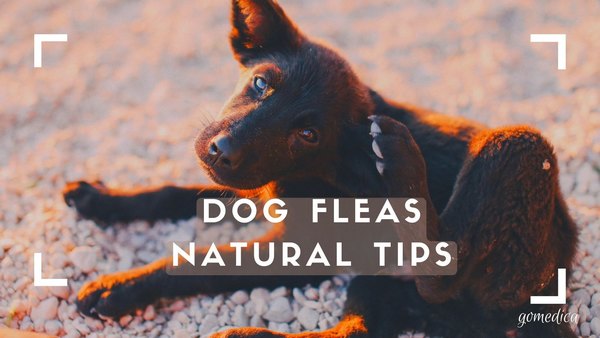
Is your dog scratching constantly? Fleas have invaded your home?
These resistant parasites can become a nightmare, but there are effective natural solutions to eliminate them without harsh chemicals.
✅ In this complete guide, you'll discover:
- 7 proven natural remedies (diatomaceous earth, essential oils, grapefruit extract...)
- Exact protocols for home, pets, and yard
- The 3-step strategy for complete and lasting eradication
- Mistakes to avoid - what makes infestations worse
Understanding the flea life cycle (Key to elimination)
As confirmed by the MSD Veterinary Manual, the flea development cycle can last from 2 weeks to several months depending on environmental conditions.
Understanding this life cycle is key to implementing a strategic and effective plan for their eradication.
The flea goes through a four-stage cycle, each phase presenting a unique challenge and opportunities for intervention.
Flea eggs: Eliminate the next generation
The first stage of the flea life cycle begins with egg-laying.
Female fleas, often present on your pets, lay small white eggs in the fur.
These eggs then fall from your animal onto carpets, bedding, or even directly onto the floor.
Understanding this process is essential, as it reveals where future generations of fleas may be hiding.
Flea larvae: Destroy hidden forms
Once the eggs hatch, flea larvae appear.
These worm-like creatures are very good at hiding in the dark corners of your home, burrowing into carpets, upholstered furniture, or even the soil.
Their preference for dark, secluded areas makes them difficult to detect.
Flea nymphs: Break the reproduction cycle
Flea larvae weave silken cocoons around themselves, entering the nymph stage.
Inside these protective envelopes, they undergo metamorphosis to become adult fleas.
Nymphs can remain dormant for weeks or even months, which hinders eradication efforts, as they can emerge when conditions become favorable.
Adult fleas: Stop active infestation
The last and most recognizable of the stages of the flea life cycle is the adult flea.
These tiny, wingless insects seek a blood meal to feed and begin a new reproductive cycle.
Their mobility and eating habits make targeted measures to interrupt their life cycle crucial.

Natural flea eradication: Complete home protocols
Before starting, one essential truth: 95% of fleas hide in your environment, not on your pet.
That's why a systemic approach is crucial.
🚨 WINNING STRATEGY: Treat these 3 areas simultaneously:
- Your pet - Eliminate adult fleas
- Your home - Destroy eggs and larvae
- Your yard - Prevent reinfestation
Here are the 7 natural solutions we'll detail with their specific modes of action:
Natural solutions against fleas: Protect your family and pets
Your home is your haven, but a flea invasion can quickly turn it into a battlefield.
Here's how to regain control and create a flea-free environment:
- Thorough cleaning: Regularly vacuum carpets, armchairs, and upholstered furniture.
Empty the vacuum cleaner outside to prevent reinfestation. - Frequent washing: Wash bedding and linens in hot water to eliminate flea eggs and larvae.
- Targeted treatments:
- Use flea sprays on surfaces, according to the instructions.
- In case of severe infestation, consider flea bombs, but with caution.
Caution: Chemical treatments can be toxic and not always effective in the long term.
- Outdoor protection: Maintain your garden to limit flea habitats.
- Pet care: Regular grooming and veterinary check-ups are essential.
- Constant vigilance: Regularly inspect your home and your animals to quickly detect any signs of fleas.
How to protect your pets from fleas?
Fleas can quickly disrupt the well-being of our pets.
Here are effective solutions to protect them:
Conventional treatments
- Flea shampoos: Use specially designed formulas to eliminate fleas during bathing.
- Flea collars: Invest in quality collars for lasting protection.
Natural alternative: Lemon essential oil
For a more natural approach, lemon essential oil offers an effective solution:
- For dogs: Mix 10 drops of lemon essential oil in 100 ml of neutral organic shampoo.
- For cats: Use lemon hydrosol, which is gentler and suitable for felines (aff).
Benefits:
- Repellent against fleas, ticks, and mosquitoes
- Antibacterial and antifungal properties
Caution: Never apply pure lemon essential oil directly to the dog's skin.
Note: Essential oils are not suitable for cat treatment.

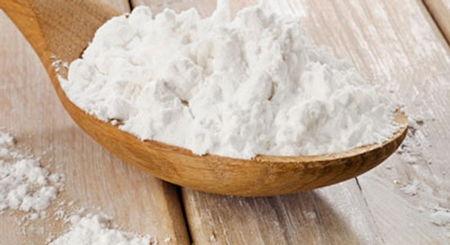
Diatomaceous earth: Your natural ally against fleas
Diatomaceous earth, derived from diatomite, is a powerful and safe weapon against fleas.
Here's how to use it effectively:
What is Diatomaceous earth?
- Composition: Sedimentary rock of fossilized organic silica
- Origin: Fossilized remains of diatoms (marine microalgae)
- Action: Causes internal and external damage to parasites
- Safety: Non-toxic to humans and animals
How to use Diatomaceous earth:
1. Choose the right product:
Opt for food-grade Diatomaceous Earth (amorphous silica)
2. Application in the house:
Sprinkle along the baseboards of each room
Let it act for 5 days
Then vacuum
3. Animal treatment:
Apply to the dry coat, avoiding the nose, mouth, and eyes
Massage to penetrate the fur
4. Environmental treatment:
Sprinkle on floors, carpets, bedding and furniture
Let it act for 3-4 days, then vacuum
Benefits of Diatomaceous earth
- Natural and ecological: Healthy alternative to chemicals
- Versatile: Effective against fleas, ticks, and other parasites
- Prolonged action: Protects against re-infestation
Usage precautions
- Use only food-grade Diatomaceous earth (aff)
- Avoid excessive inhalation during application
- Repeat treatment if necessary for optimal effectiveness
| Area to Treat | Quantity | Action Duration |
|---|---|---|
| Carpets & rugs | 100g/100sq ft | 5 days |
| Pet coat | 1 tablespoon | 48 hours |
| Yard | 200g/200sq ft | 7 days |
Conquering fleas sustainably: A systematic strategy
While your canine companion enjoys the comfort of a soothing bath, your home takes on a sanitized aura, signaling victory in the ongoing battle against fleas. However, let us not be fooled; this is just a temporary truce!
To eliminate fleas sustainably, a systematic approach is necessary:
- Environmental treatment
- Use a natural pyrethrin-based insecticide (aff)
- Spray in all living areas
- Let it act, then clean thoroughly
Pyrethrum insecticide is particularly effective because it acts on contact, quickly eliminating fleas.
However, for sustainable elimination, it is essential to combine this method with other approaches, such as treating the animal and continuing prevention.
Remember that persistence is key.
A single surviving flea can quickly restart an infestation.
Regular treatment and constant vigilance are therefore essential to maintaining a flea-free environment in the long term.
Grapefruit seed extract for fleas
Faced with a massive flea infestation, I discovered a natural and effective solution: grapefruit seed extract.
Here's how I use this versatile remedy to protect my dogs:
- Daily dosage: Two drops in their bowl, six days a week (for 8 kg of weight).
- Frequency: A one-day break per week to prevent habituation.
- External protection: Spraying a diluted solution (10 drops per 50 ml) on their coat during walks.
- Target areas: Emphasis on paws, belly, back.
The results were remarkable:
- Significant reduction in itching
- Improvement of eczema in my youngest dog
- Effective protection against mosquitoes and other insects
Grapefruit seed extract has proven to be more than just a simple flea repellent (aff).
It is a powerful natural antibiotic that:
- Fights various infections
- Treats intestinal and skin problems
- Strengthens the immune system
- Quickly restores energy
This natural solution is also suitable for cats, offering similar benefits against coryza, gingivitis, and acting as a dewormer.
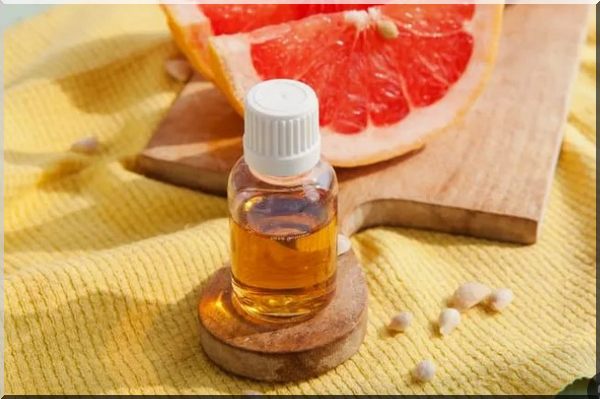
Repellent essential oils: A safe recipe for dogs
I also add a mixture of vegetable oil and essential oils that is very effective as a repellent on the dog's coat
↓ Essential oils for fleas on dogs:
- 10ml of vegetable oil of your choice
- 5 drops of Tea Tree essential oil
- 5 drops of Lavender essential oil
- 3 drops of Cinnamon essential oil
Plus, it smells great!
Getting rid of fleas in the garden: Protect your exterior
To create an outdoor environment hostile to fleas, here are effective tactics:
Regular maintenance
- Mow the lawn frequently
- Prune shrubs and remove dead leaves
- Thoroughly clean the areas where animals rest
Natural solutions
- Beneficial Nematodes
- These microscopic organisms are natural predators of flea larvae.
- Harmless to plants, animals and humans, just scatter them on the ground for them to work.
- Diatomaceous earth
- Sprinkle in shady areas and near animal resting places
- Acts as a natural desiccant against fleas
- Black Soap
- Mix a capful of pure and biodegradable Black Soap per liter of water (aff)
- Spray weekly
- Cedar oil
- Mix a capful of Atlas cedar essential oil for 2 liters of water
- Spray regularly as a repellent
- Repellent plants
Plant naturally repellent aromatic plants:
- Lavender
- Mint
- Rosemary
- Tansy
- White clover
Other natural treatments
- Place ashes around plants as a natural repellent
- Use straw to maintain moisture and repel flea beetles
By combining these strategies, you will create an outdoor environment that is not conducive to fleas, thereby strengthening the protection of your home against these persistent parasites.
Massive flea infestation: When to see a veterinarian?
While natural flea remedies are effective, some situations require professional intervention:
Severe allergic dermatitis
Your pet scratches until bleeding, loses hair in patches, or has infected skin lesions.
Anemia in young animals
Puppies and kittens can develop serious anemia with massive infestations (pale gums, extreme weakness).
Natural treatment failure
If after 15 days of diligent treatment the infestation persists, a veterinary protocol may be necessary.
Disease transmission
Fleas can transmit tapeworm and other internal parasites requiring specific treatment.

A flea-free home is possible!
Eradicating fleas requires a comprehensive strategy, from the house to the animal, including the garden.
Be consistent, prioritize natural solutions, and act quickly.
Patience and perseverance are your best allies for a finally liberated home!
How to get rid of fleas at home? Your questions
How can I quickly eliminate fleas from my house?
To quickly eliminate fleas from your house, a combination of thorough cleaning, vacuuming, and using a reputable flea treatment is effective.
What's the timeline for eradicating fleas from a house?
The timeline for flea eradication in a house varies, typically taking a few weeks of consistent efforts, including treating pets, cleaning, and using appropriate insecticides.
Is there a method to get rid of fleas within 24 hours?
While a swift approach using a fast-acting flea spray or powder, accompanied by immediate vacuuming, can make a noticeable impact within 24 hours, complete flea eradication may take more time and continuous efforts.
What homemade remedy works best for killing fleas?
A homemade flea killer can be a mixture of natural ingredients like lemon, vinegar, or essential oils, but their effectiveness may vary.
Are there particular scents that fleas strongly dislike?
Fleas dislike scents such as citrus, cedar, and certain essential oils, so incorporating these can help deter them.
Which method ensures fleas are eliminated within 30 minutes?
Swift action with a fast-acting flea spray or powder, coupled with immediate vacuuming, can significantly reduce fleas in 30 minutes. However, complete elimination may take additional time and consistent efforts.